
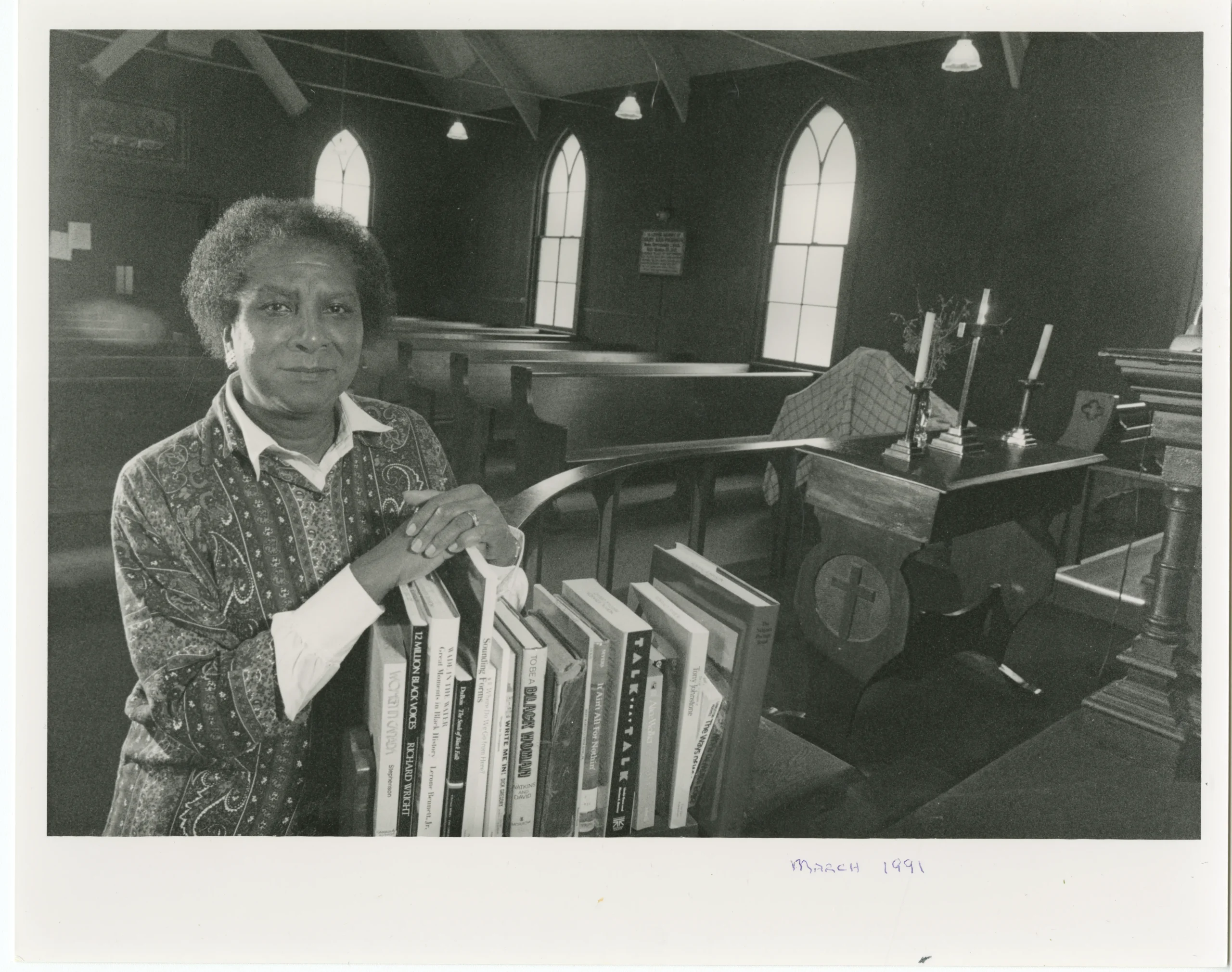
“Mrs. Black History of Niagara”: Knowledge keeper and storyteller
Founder of the Niagara Black History Association, Morrison was widely known and respected for her knowledge about Black History in the Niagara region, and her passion for sharing it.
Morrison’s friend Gail Benjafield, a local librarian who played a key role in acquiring Morrison’s Black History archives for the St. Catharines Library, affectionately referred to Morrison as “Mrs. Black History of Niagara.”
Young people need to know
Morrison’s first professional connection to the education system was through the Niagara Falls Health Department, administering hearing and vision tests in elementary schools. Working with young people fostered a concern over their lack of knowledge and pride in Black history, inspiring her to visit schools and organizations to deliver talks and hold educational workshops. She promoted the teaching of Black history and culture within the school system, and worked closely with the Niagara District School Board to develop their anti-racism policy.
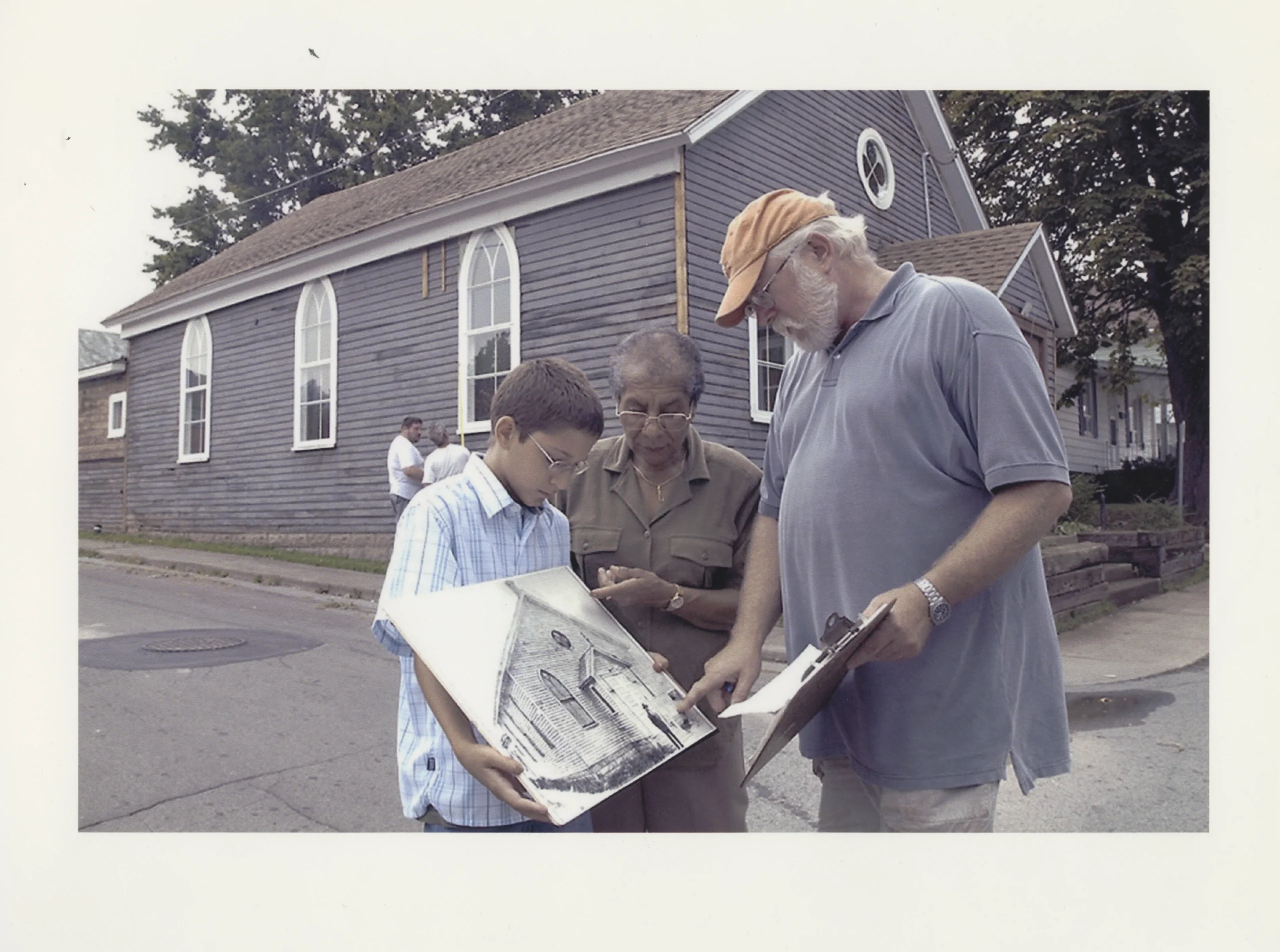
The R. Nathaniel Dett Chapel: The church that almost wasn’t
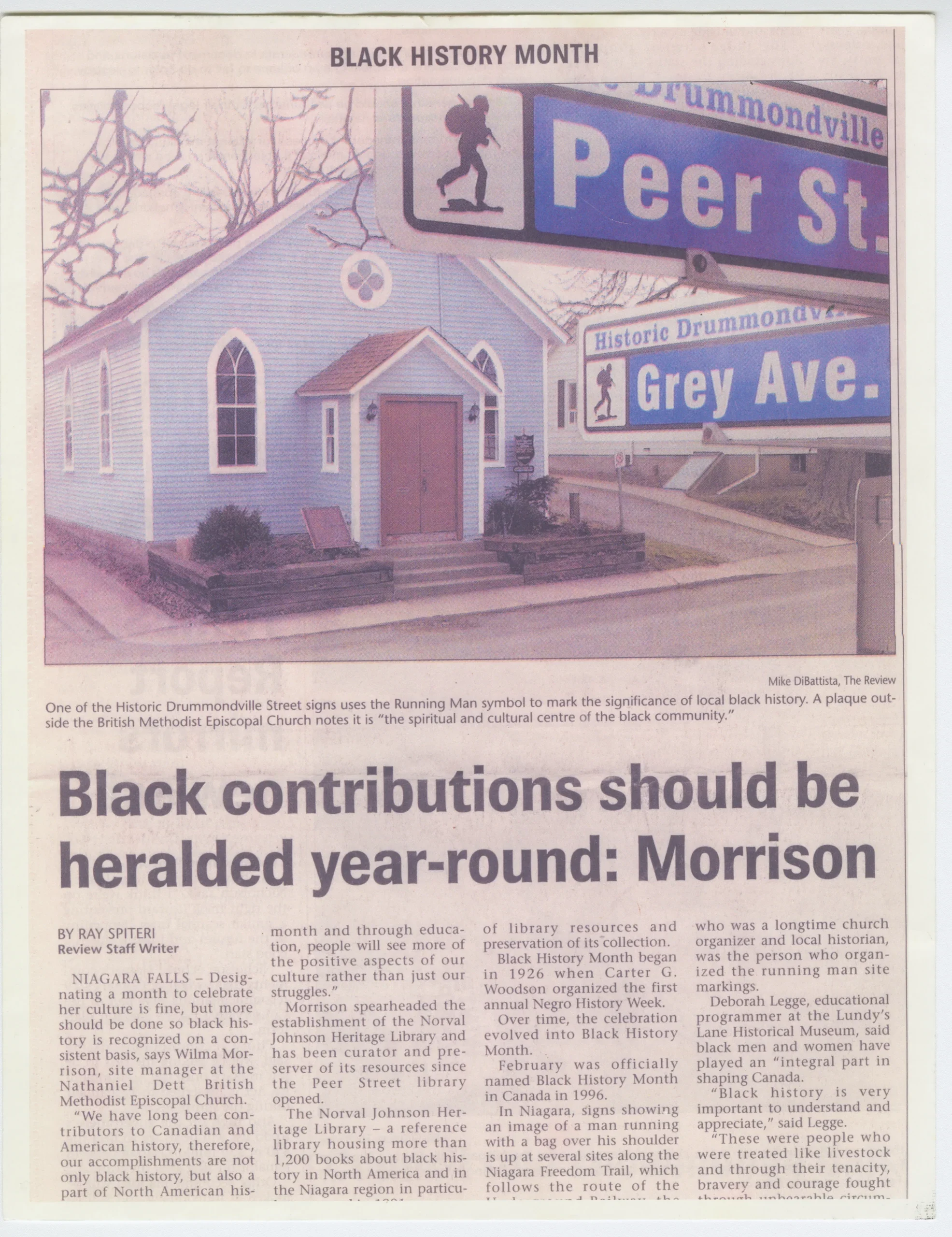
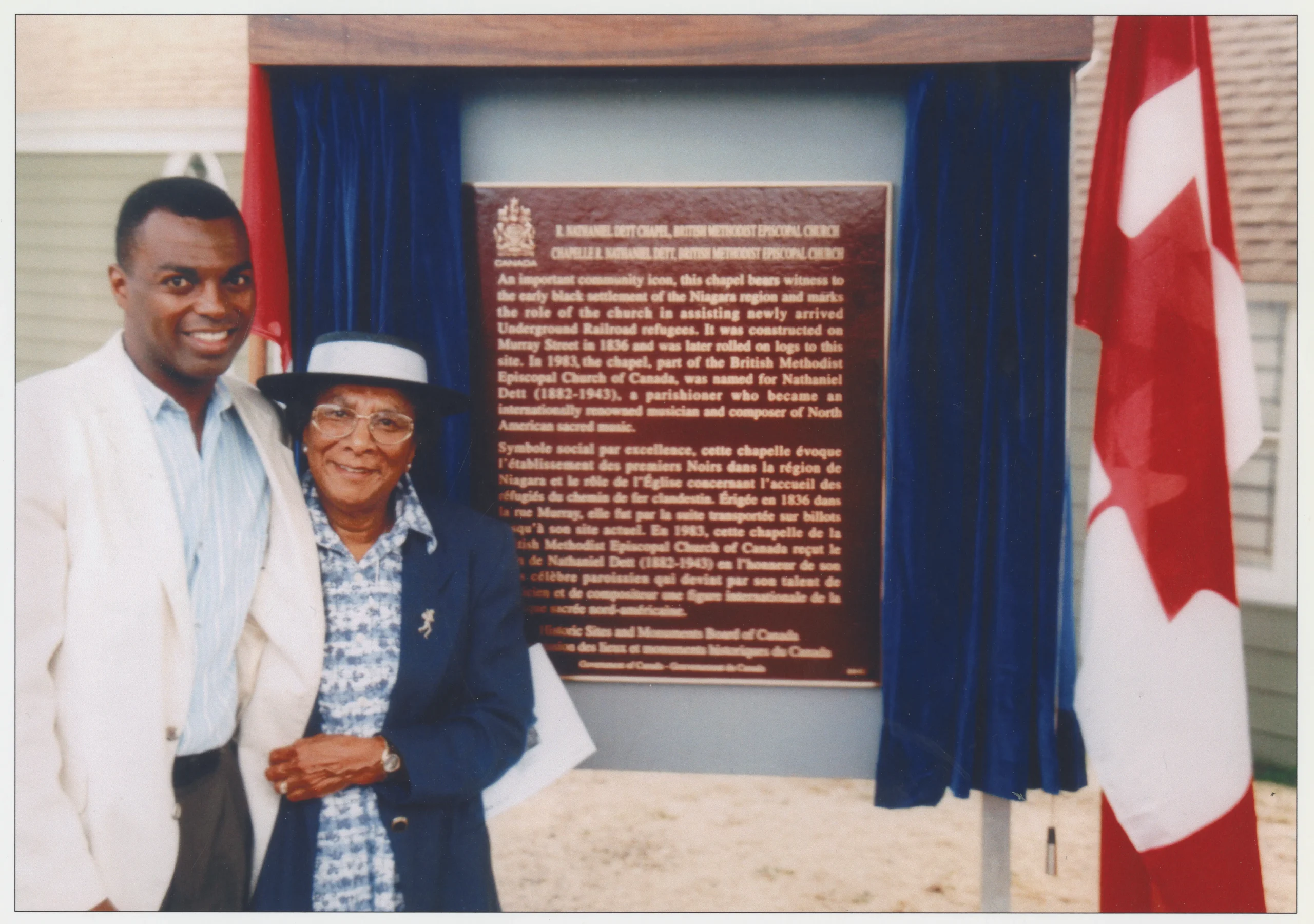
One of Morrison’s most important contributions was to preserve the historic British Methodist Episcopal (BME) Church R. Nathaniel Dett Chapel, a small wood-frame building in Niagara Falls, saving it from demolition in the 1990s. Built in 1836 by formerly enslaved persons who escaped to freedom via the Underground Railroad, the church is named after the renowned music composer Robert Nathaniel Dett (1882–1943), who was born in Drummondville (now Niagara Falls) and performed for American presidents Herbert Hoover and Franklin D. Roosevelt and at Carnegie Hall, Boston Symphony Hall and other major music venues.
Tour guide and storyteller
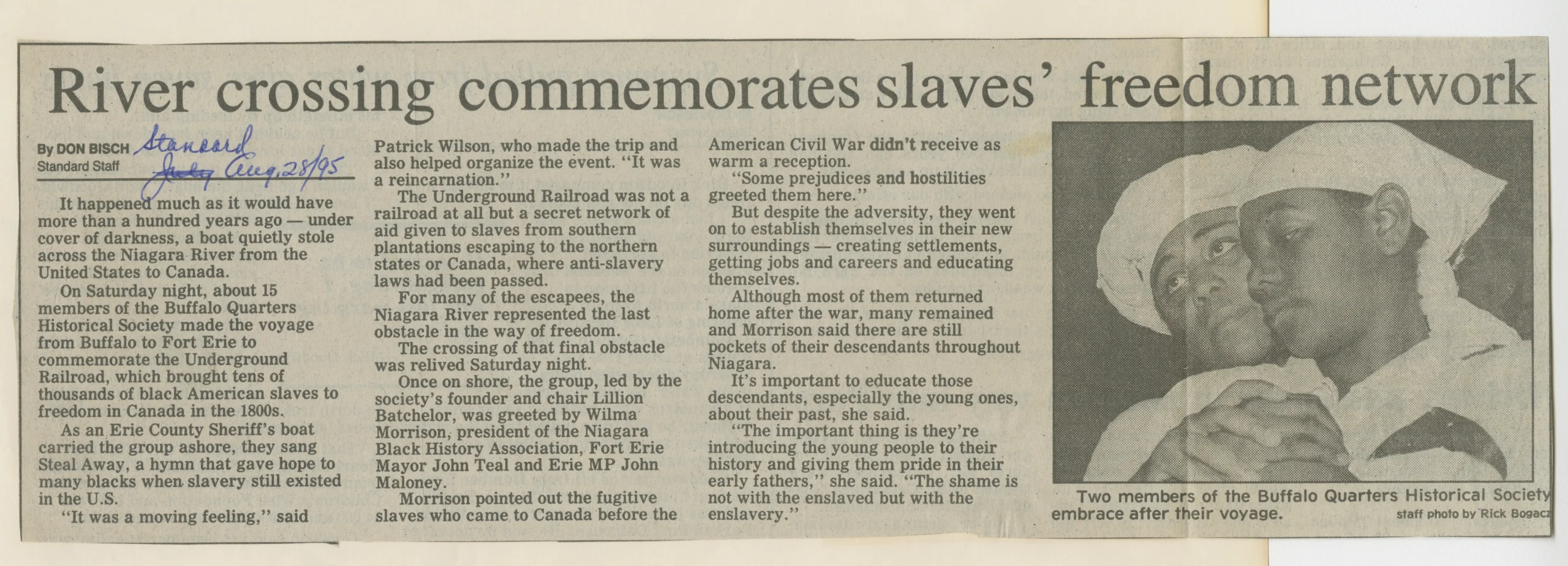
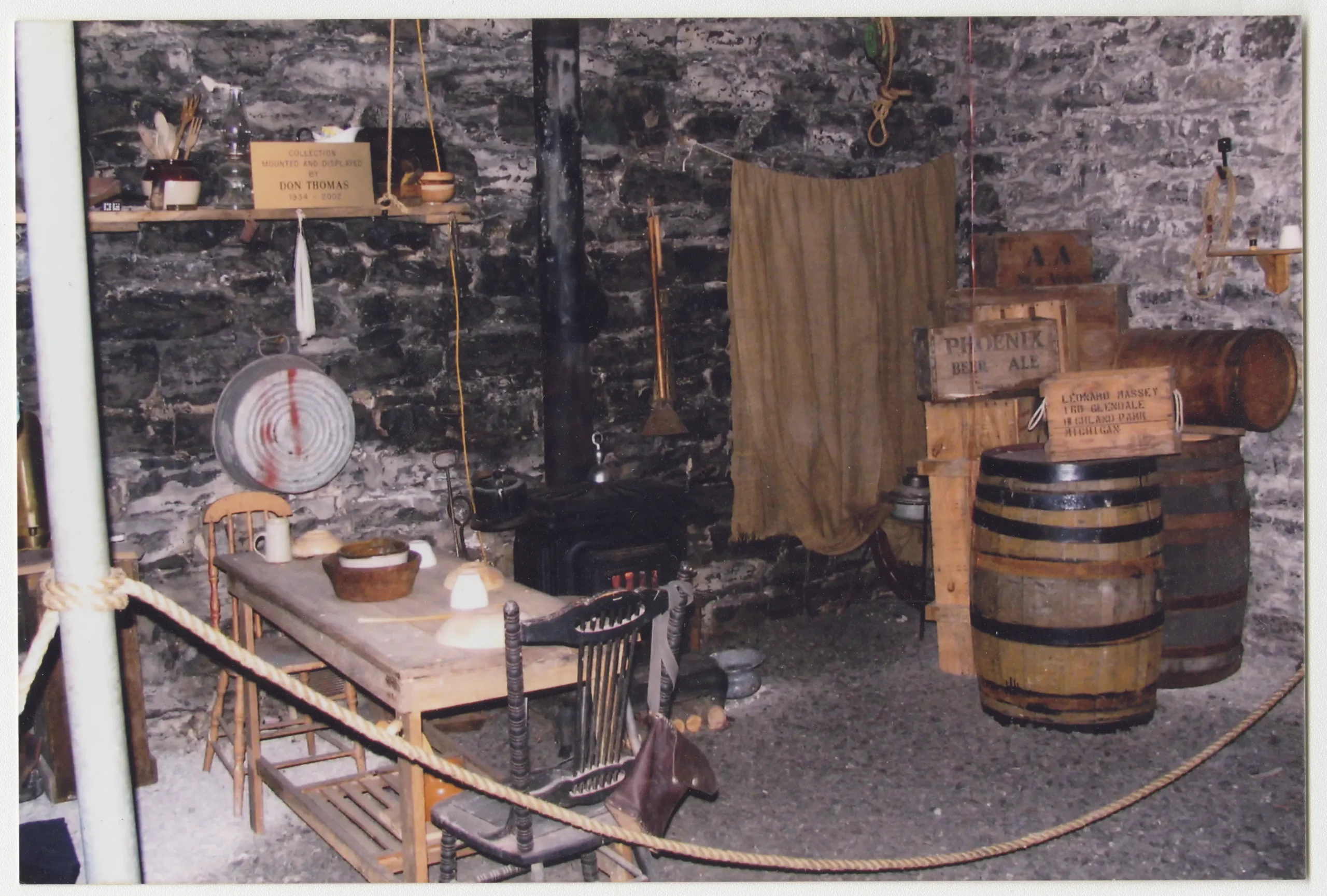
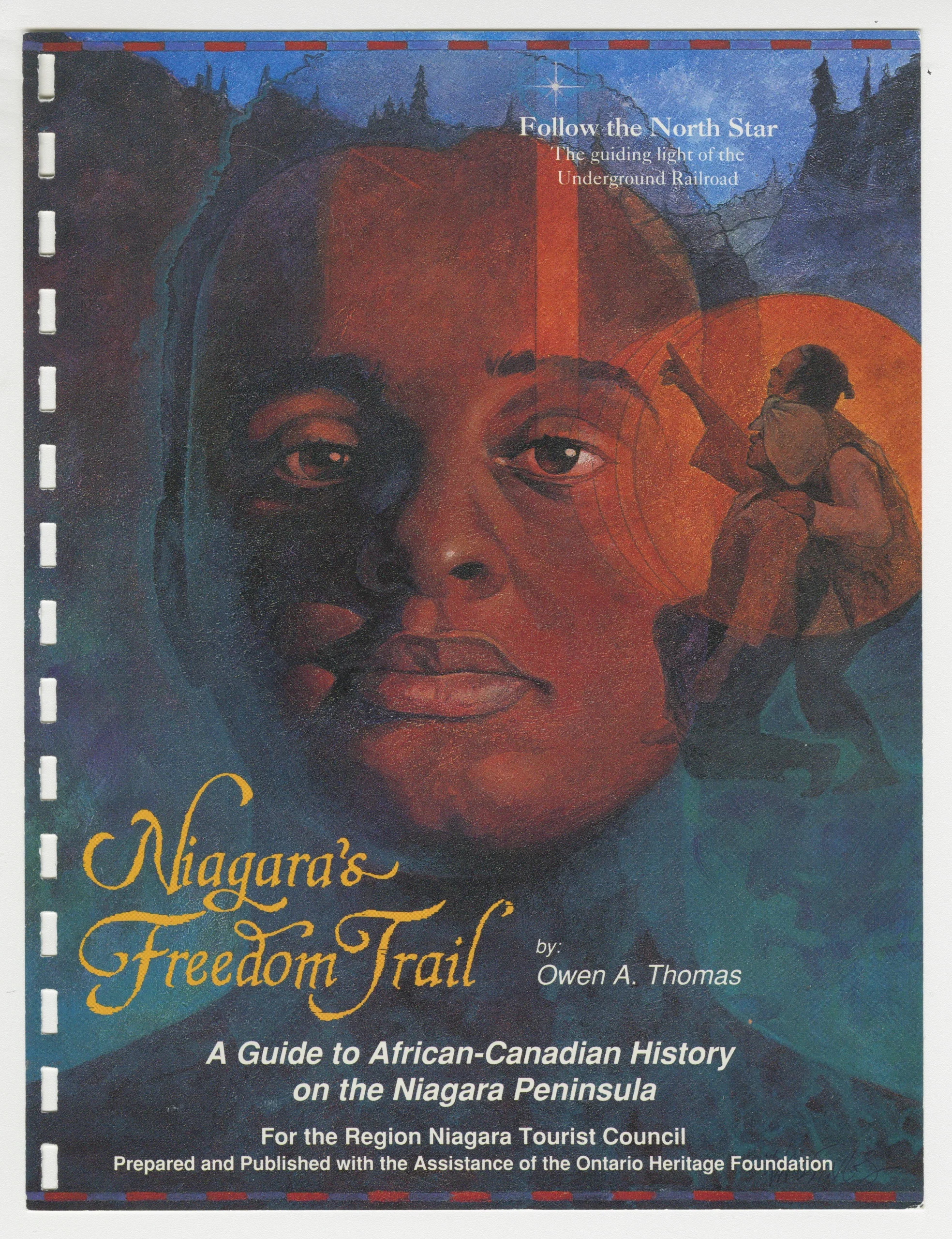
Morrison became custodian of the R. Nathaniel Dett Chapel. Dedicating her time to this church from the 1960s onward, she delivered tours (sometimes three a day!) to visitors. “This is the only way we knew to bring a sense of pride to our young people,” she told a journalist from The Standard newspaper in 1995. Visitors to the church heard stories from Morrison about Oliver Pernell, a formerly enslaved person who travelled the Underground Railroad and swam across the Niagara River to freedom, and Burr Plato, the city’s first and only Black alderman. They heard about Norval Johnson, tirelessly devoted to teaching Sunday school choir and music, and the many other Black individuals—among them farmers, ministers and hotel owners—who used to live in Niagara and the surrounding region. “These are the people who came here through adversity and took a rightful place in the community,” said Morrison. “All these stories show the pride and dignity of ex-slaves who developed into a community.”
Black military service
A veteran of WWII, Morrison’s husband Lorne lamented the lack of acknowledgement paid to Black members of the military during the TV coverage of the 50th anniversary of the end of the war—a neglect that inspired Morrison to research and educate people about Black military heritage. The subject was also not being taught in schools. Morrison initiated a project on Blacks in military service in Canada, in part as a memorial to her husband, who passed away in 2001.
Learn more about Black involvement in WWII in our online exhibit Hidden histories in the Archives: Ontario and the World Wars.
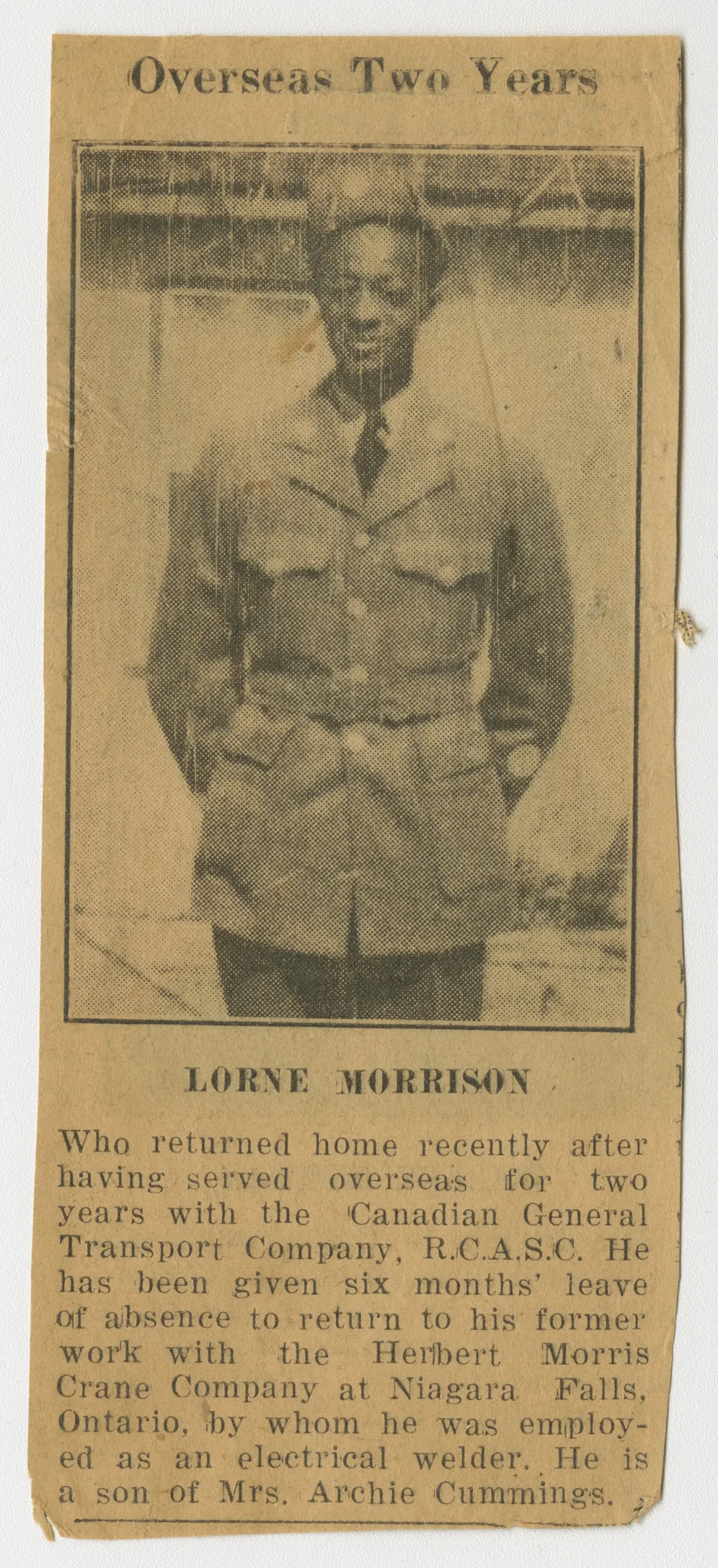 Black-and-white newspaper clipping with a photo of a young Black man in military uniform and a short notice in printed text.
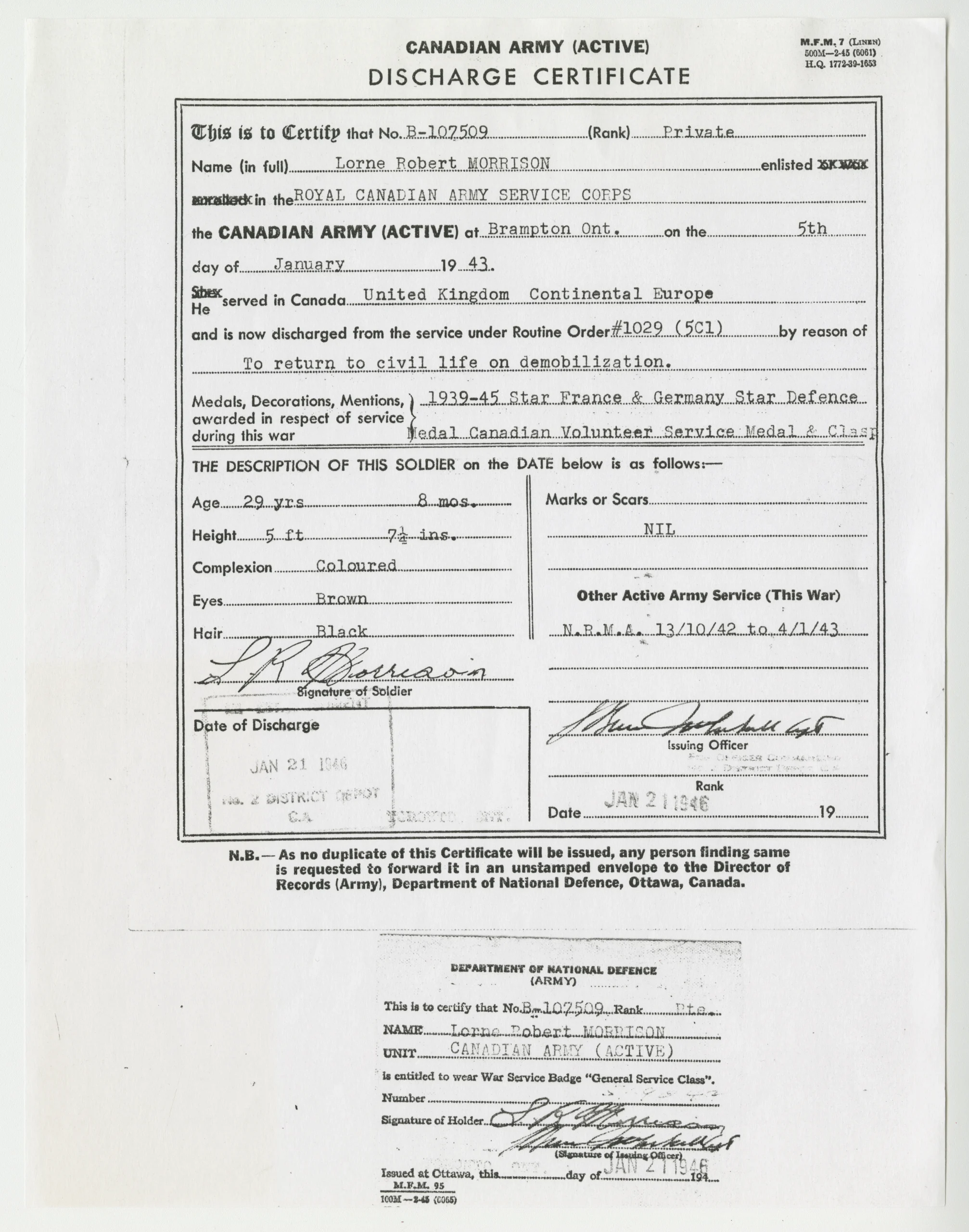 Black-and-white official military document with printed and typewritten text.
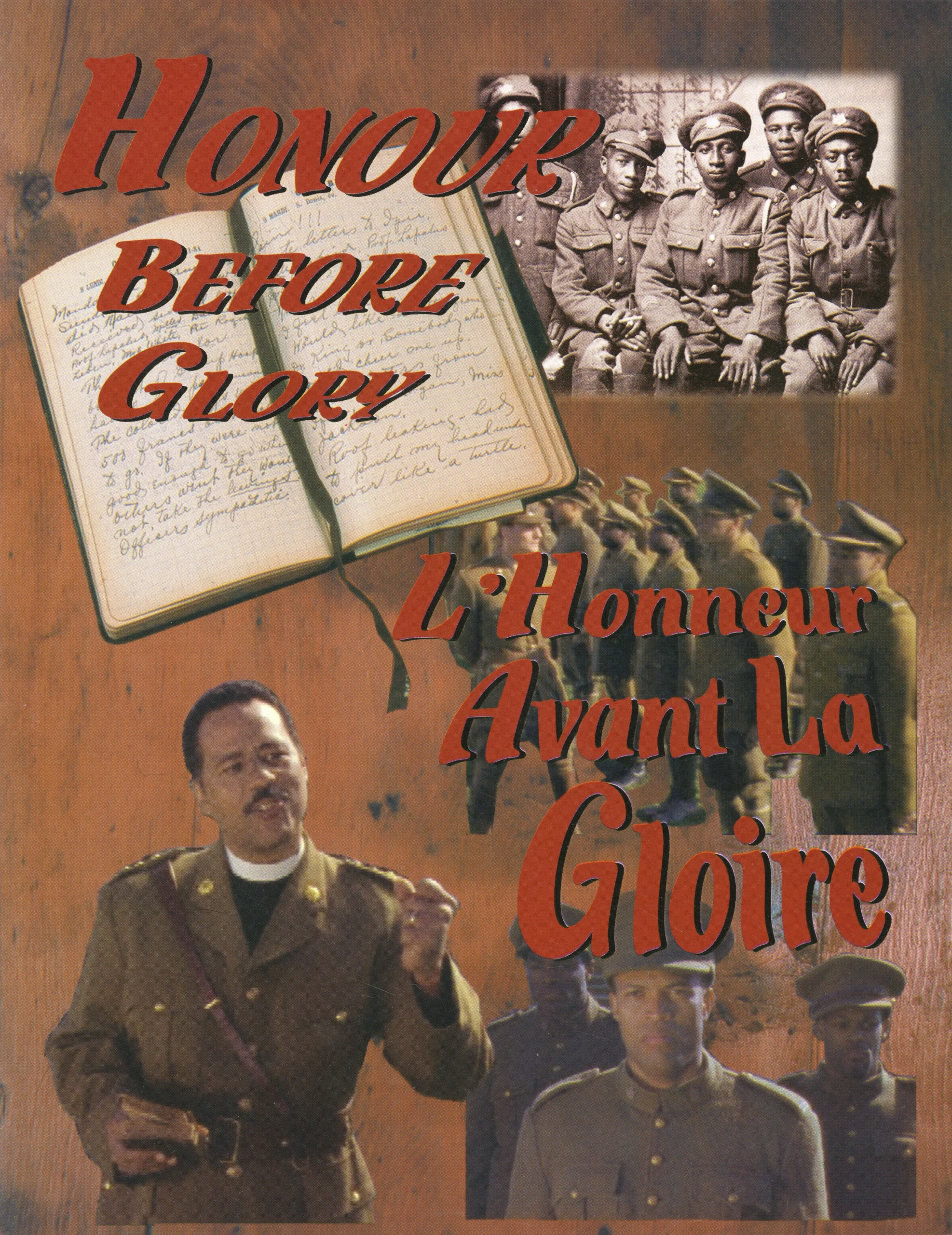 Colour photo of a printed folder cover, bearing images of Black soldiers in military uniform and the title “Honour Before Glory”/”L’Honneur Avant la Gloire.”
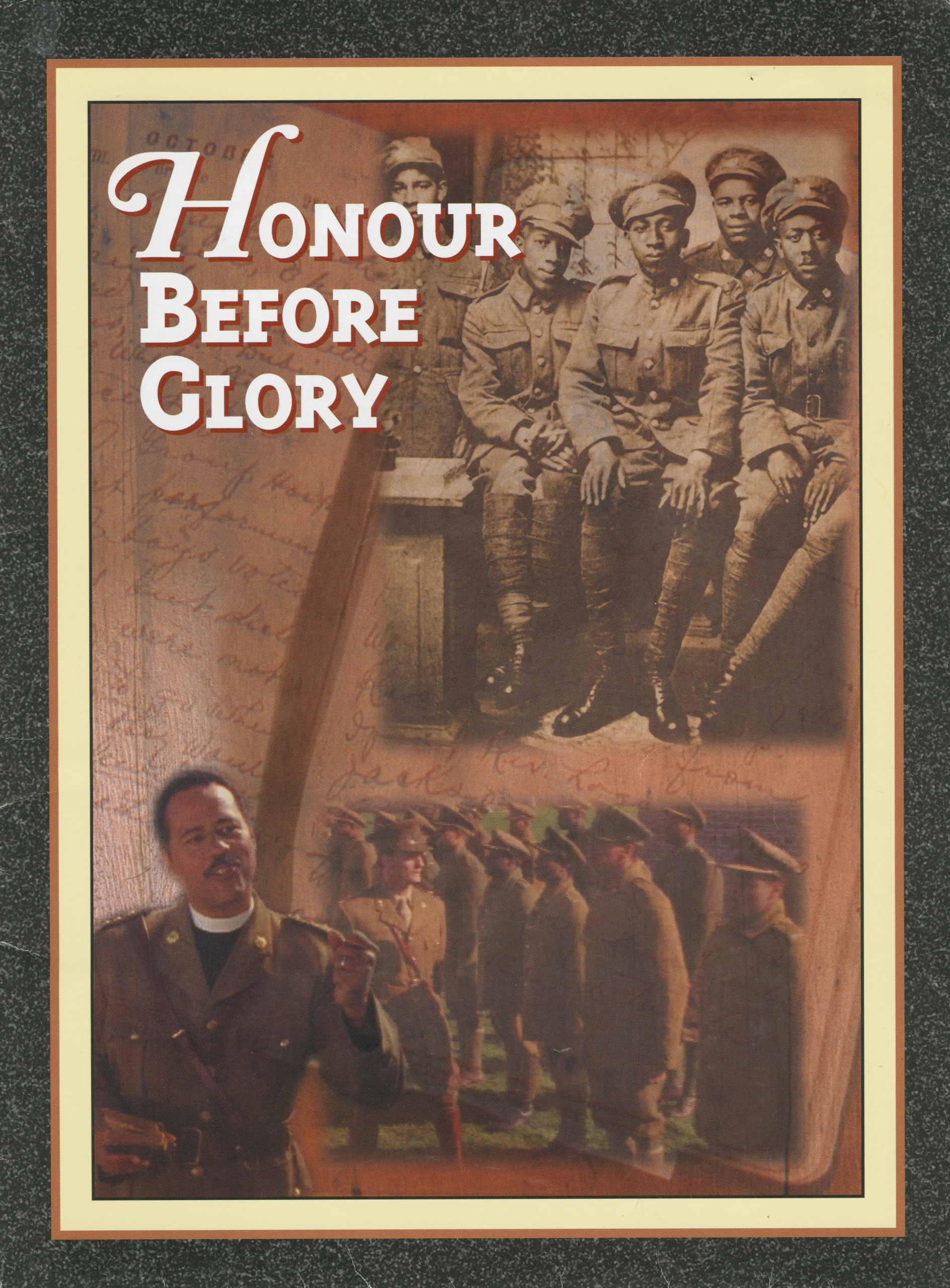 Colour photo of a printed folder cover, bearing images of Black soldiers in military uniform and the title “Honour Before Glory.”
The story of a library
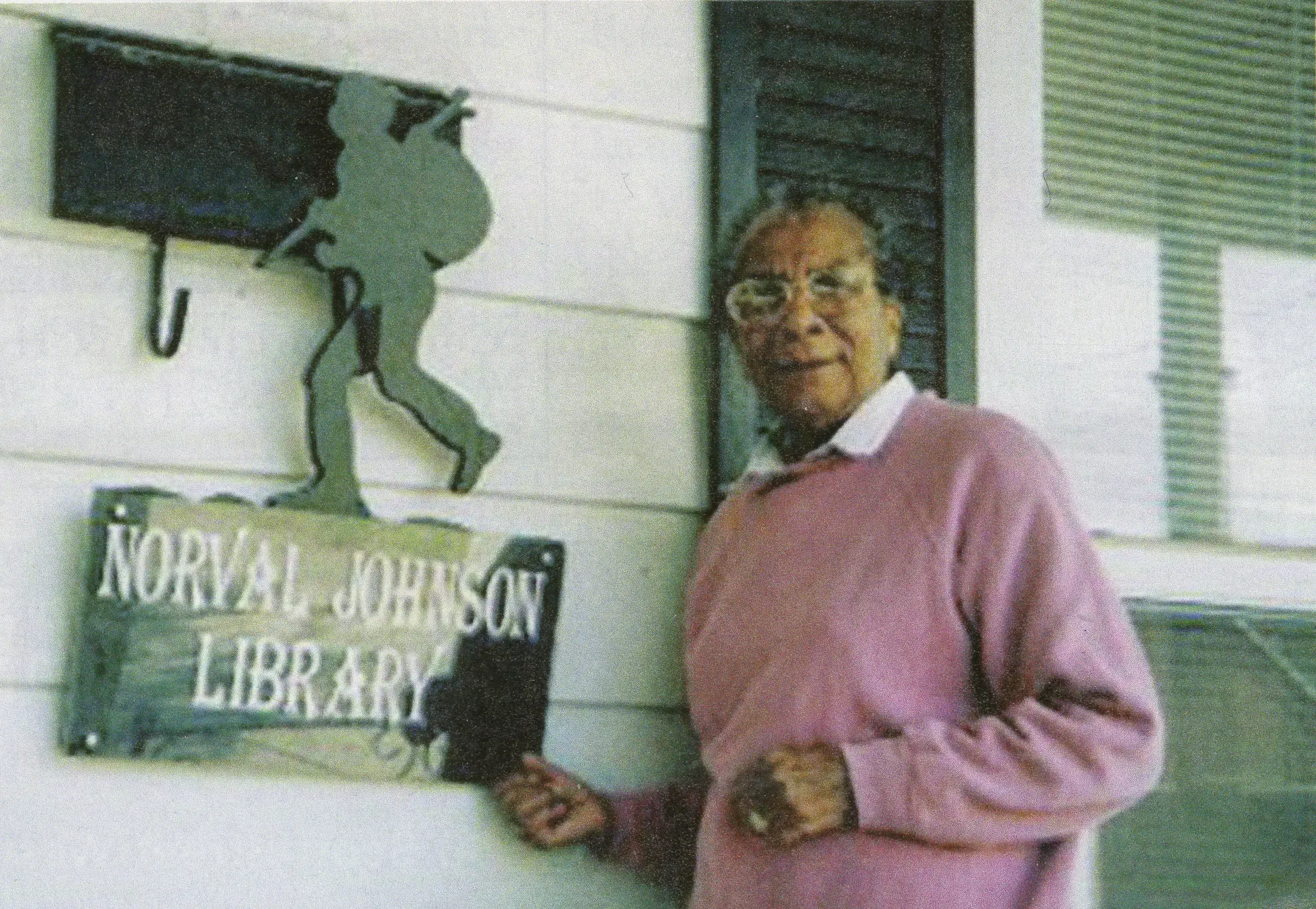
As part of her efforts to save the R. Nathaniel Dett, British Methodist Episcopal (BME) Church, Morrison helped establish the adjacent Norval Johnson Heritage Library—the city’s largest collection of Black history and literature, including more than 1,400 books about the history of Black communities in Canada, the United States, the Caribbean, Africa and the UK, historical documents and memorabilia. “We have so much history in Canada,” Morrison said at the time, “but not a lot has been done about the Underground Railroad and Canada’s very important role in it.”
Back to: Chapter 01
Wilma Morrison: Historian at heart
Next up: Chapter 03
Living history: Family and private life
Looking for more records?
Search our collection