
Black Canadians
Black Canadians have made vital contributions to Canadian society since the early seventeenth century. They built thriving communities despite the challenges of racism and fought as Canadian soldiers in the World Wars.
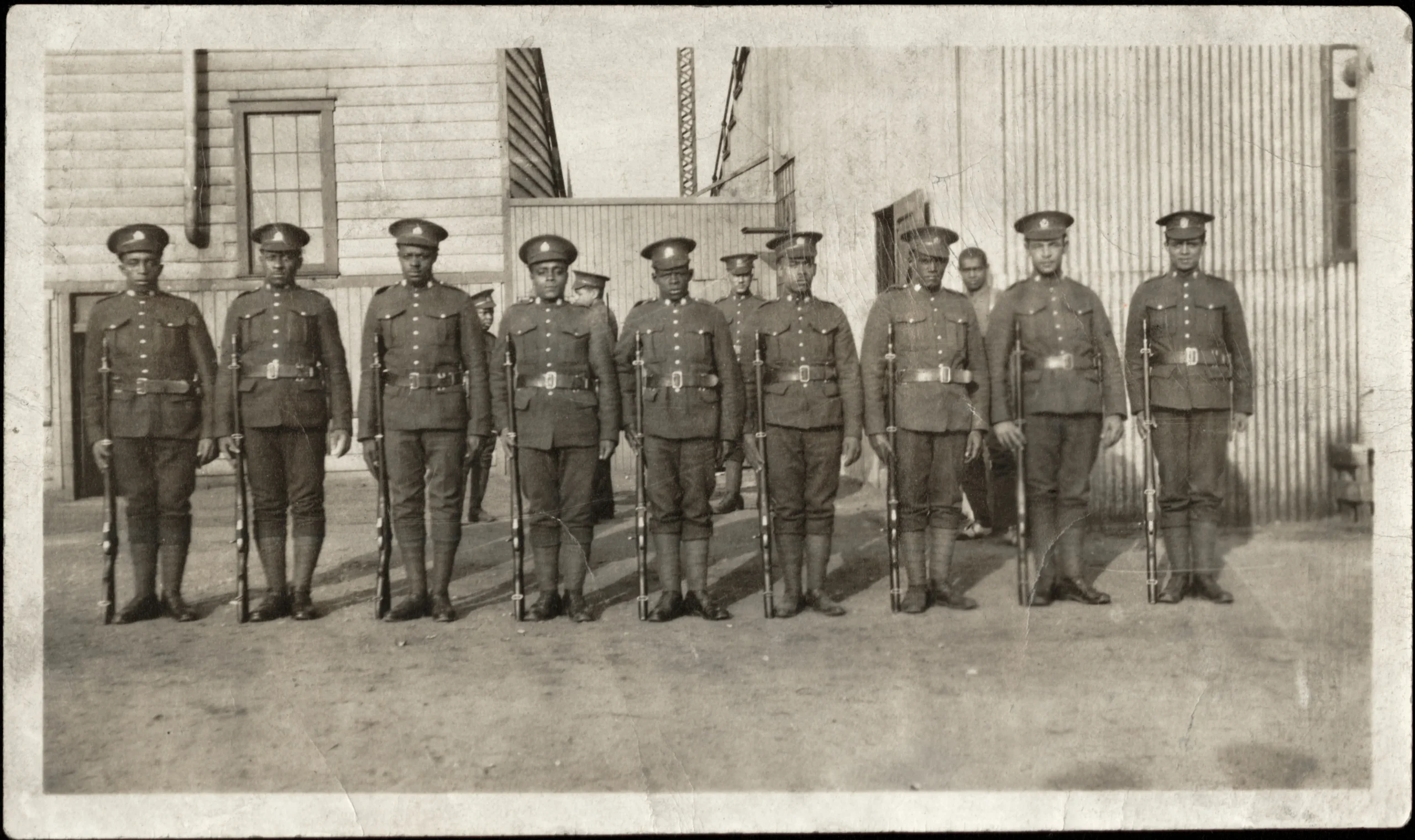
Black Canadians made significant contributions to the First and Second World Wars, facing racism to serve their country. Black soldiers served in various roles, from combat to essential labour like logging and road building. Approximately 1,300 Black soldiers served in the First World War, and a few thousand served in the Second World War. Black Canadians also supported the war effort on the Home Front through factory work, working in coal mines, farming and fundraising. Their service was vital in helping to shift attitudes toward visible minorities.
Building communities
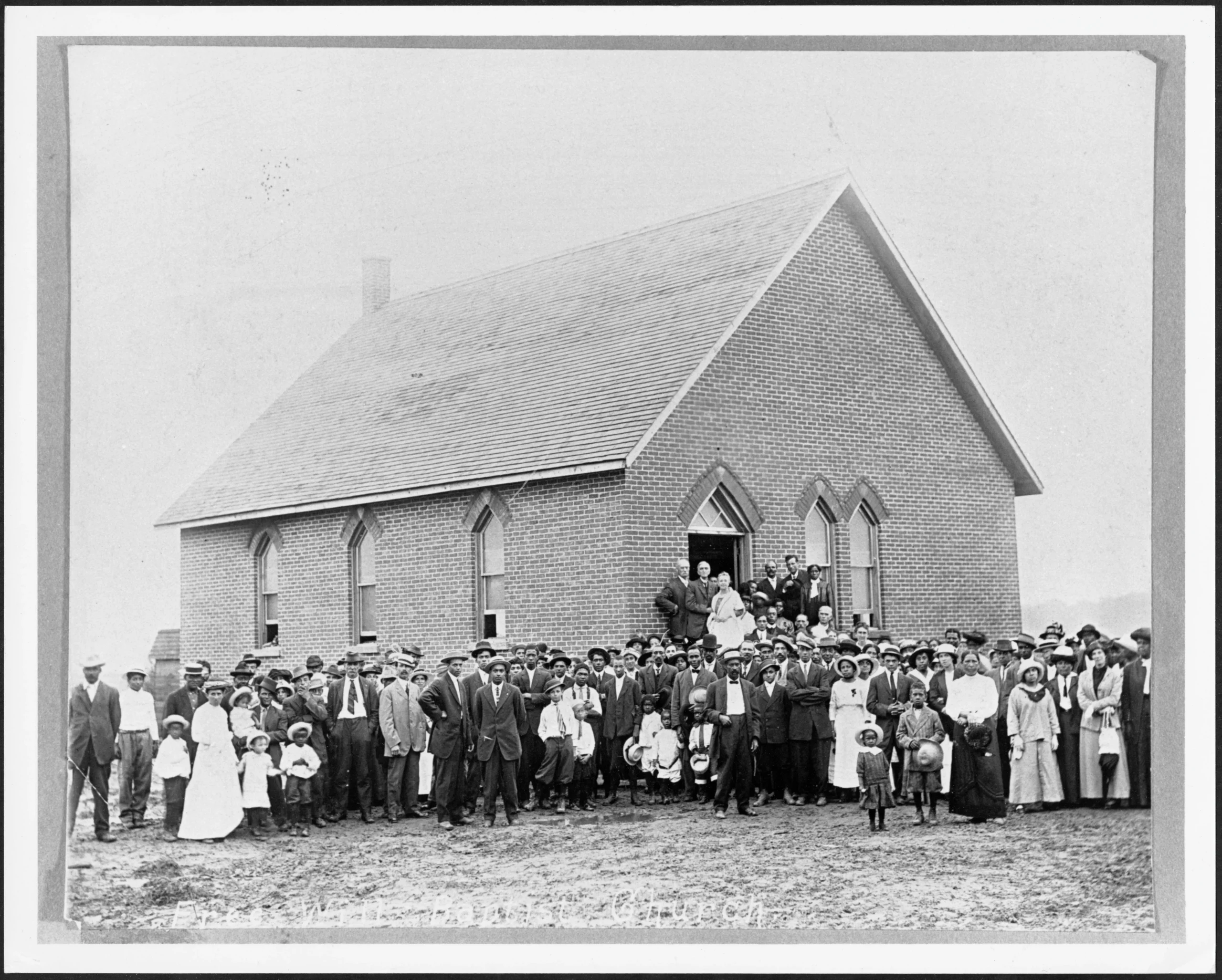
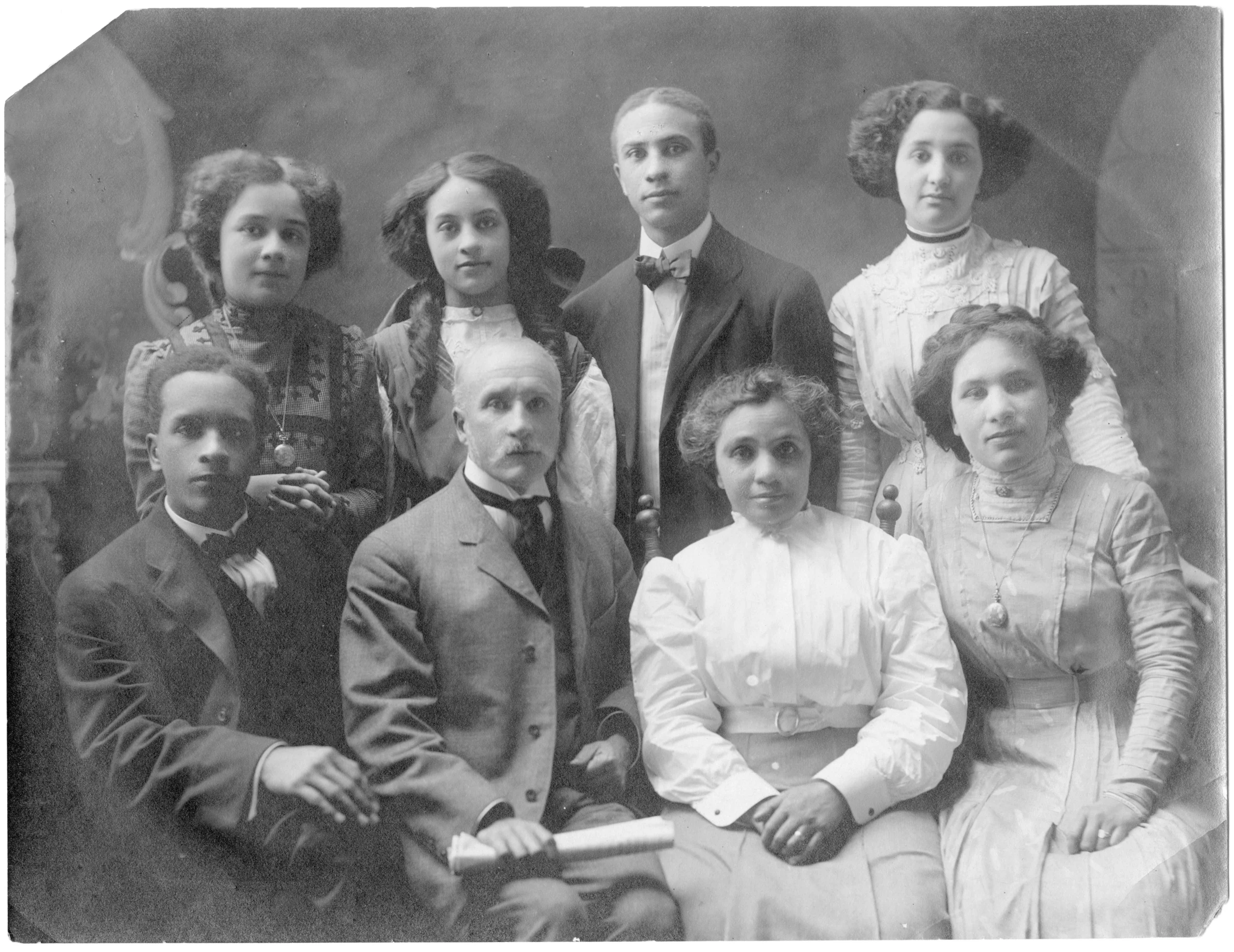
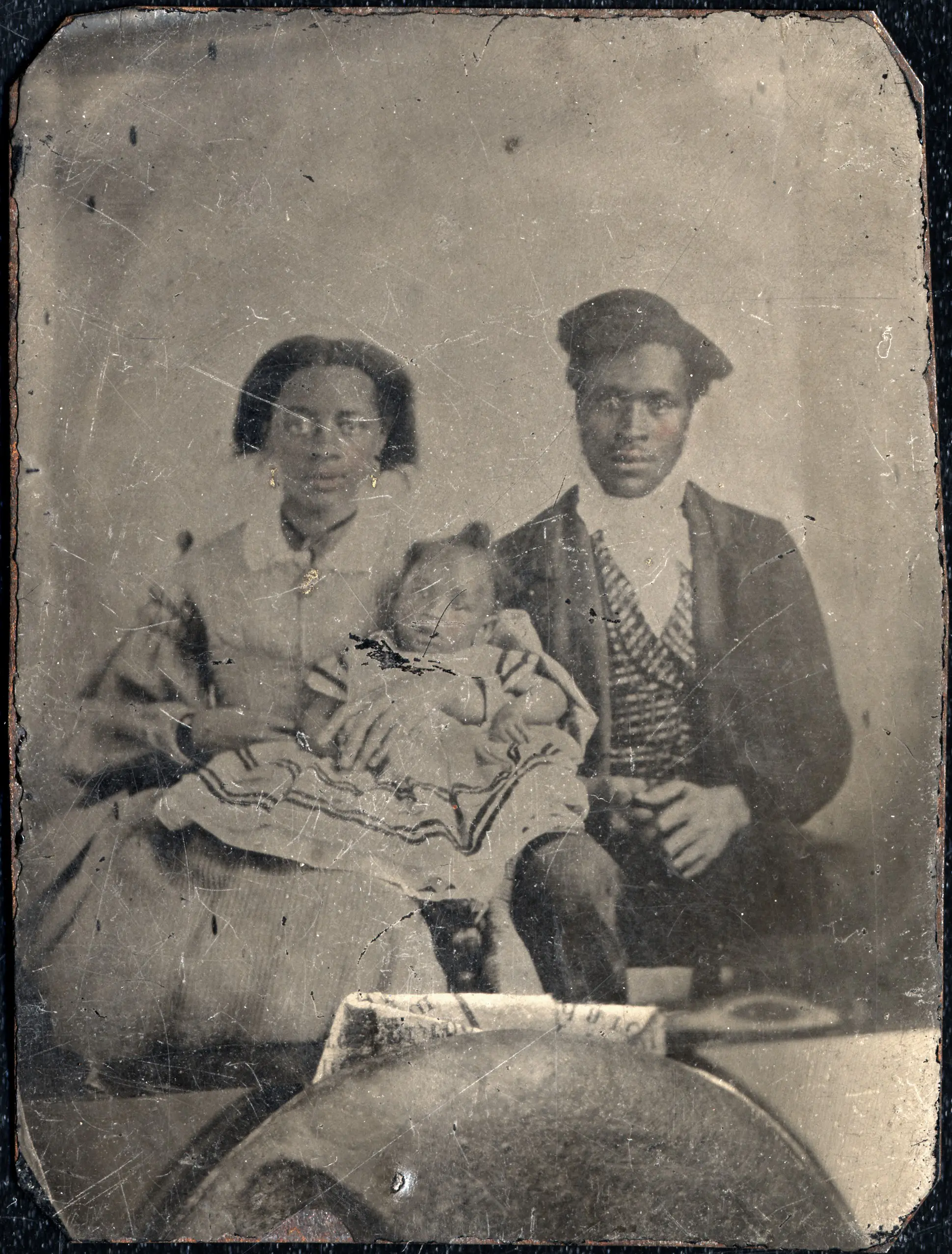
People of African descent have been in Canada since the early seventeenth century. Some of the early Black Canadian population included Loyalists and formerly enslaved people who left the United States. Despite facing racism and discrimination, they built successful schools, churches and businesses. Amherstburg, Windsor and Chatham are just a few of the many places in Ontario that share in this history.
Did you know?
Slavery was legal and practiced in Canada until 1834. Learn more about the recorded history of slavery and abolition in Ontario on our Black history topic page.
Segregated soldiers
Some Black Canadians participated in the War of 1812, and many wanted to fight for Canada in the First World War. However, Black men interested in enlisting required the permission of individual commanding officers to do so and were most often denied. This changed when No. 2 Construction Battalion was formed in July 1916. This segregated battalion provided important labour to support Canadian forestry companies in Southern France. Some of their tasks included cutting and transporting logs to mills, helping with milling operations and maintaining the roads to bring the logs to the mills.
The Overseas Comfort Club
The Overseas Comfort Club sent clothes, food and other supplies to Black soldiers abroad during the First World War. This club was centred in Toronto, and later became the Home Service Association. The Home Service Association provided welfare services for Toronto’s Black communities until 1965.
Free to join
In the Second World War, Black Canadians were allowed to join the army but were not permitted to join the air force until March 1942, or the navy until May 1943. Some recruiting officers did accept Black recruits into the Royal Canadian Air Force, however, despite the ban. Black soldiers participated in both combatant and non-combatant roles throughout the conflict.
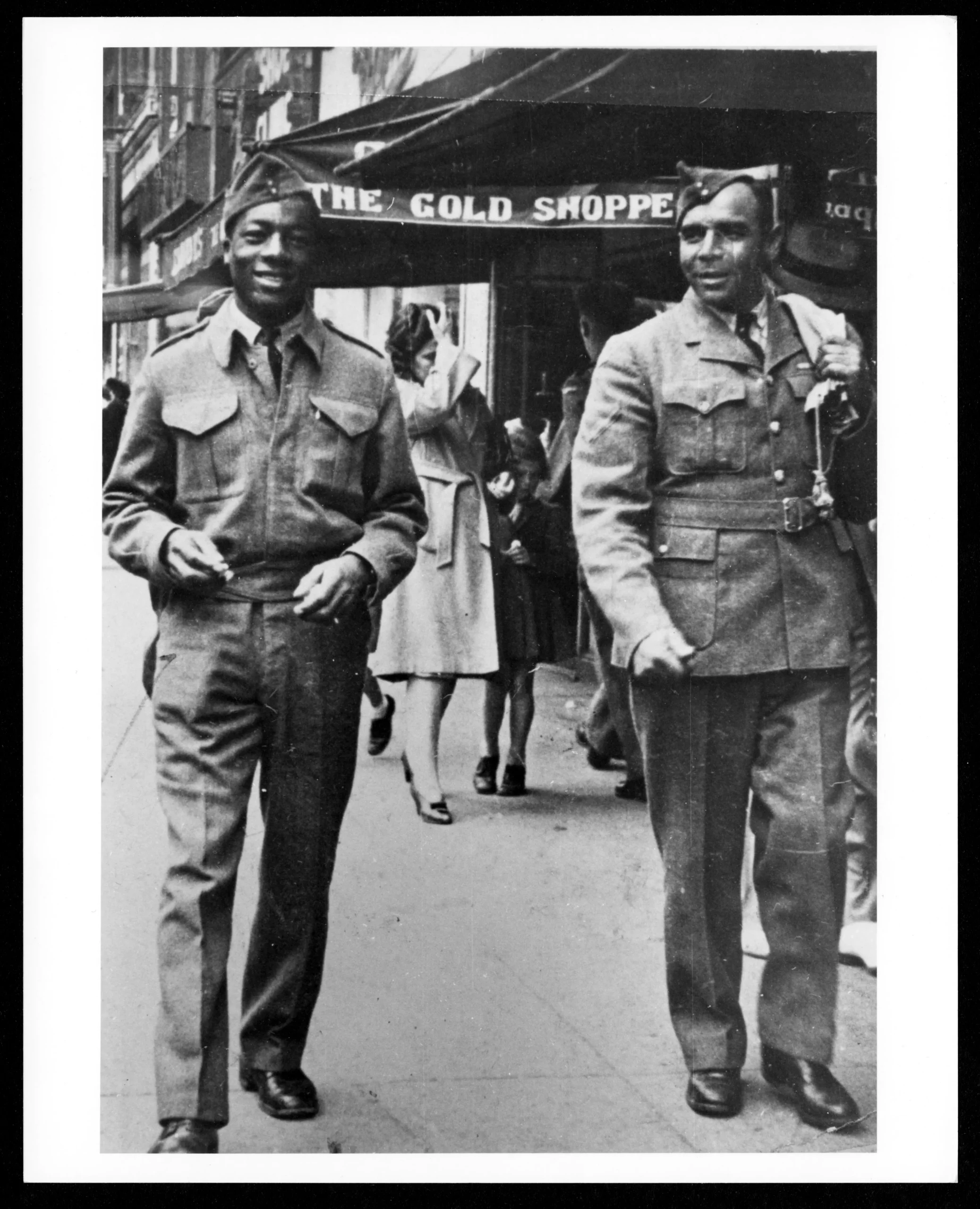
Hidden history spotlight
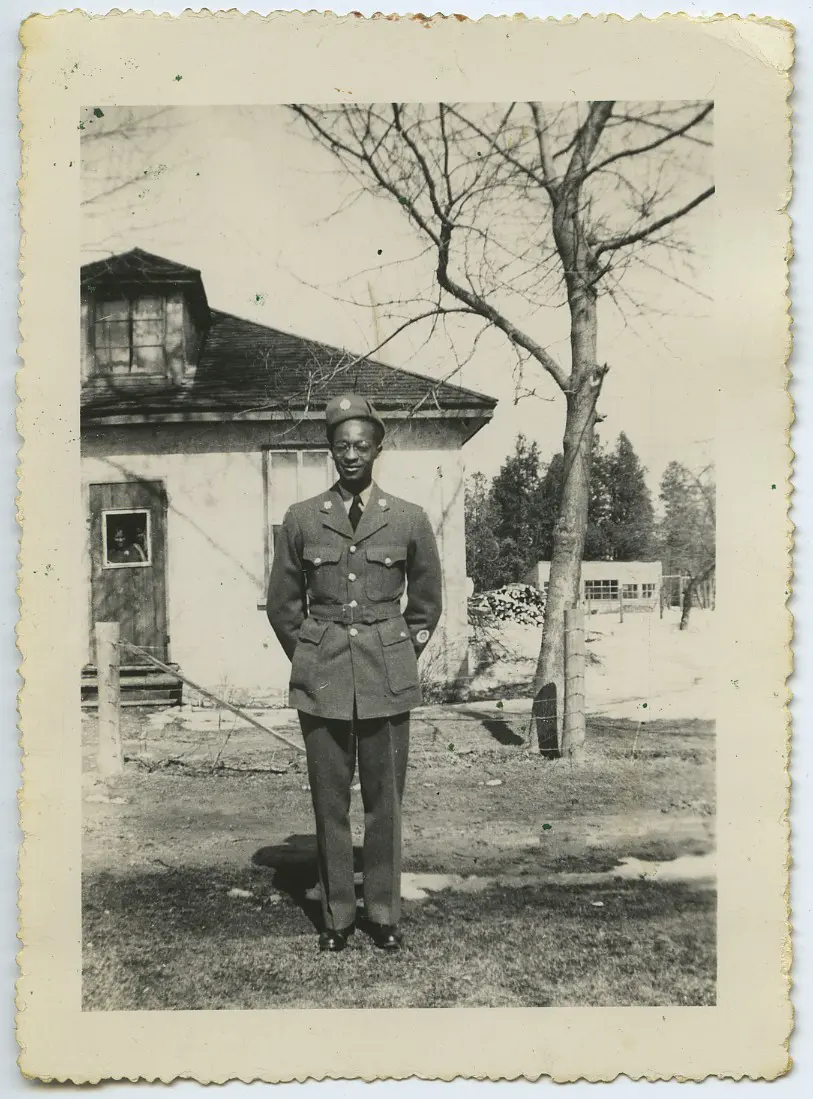
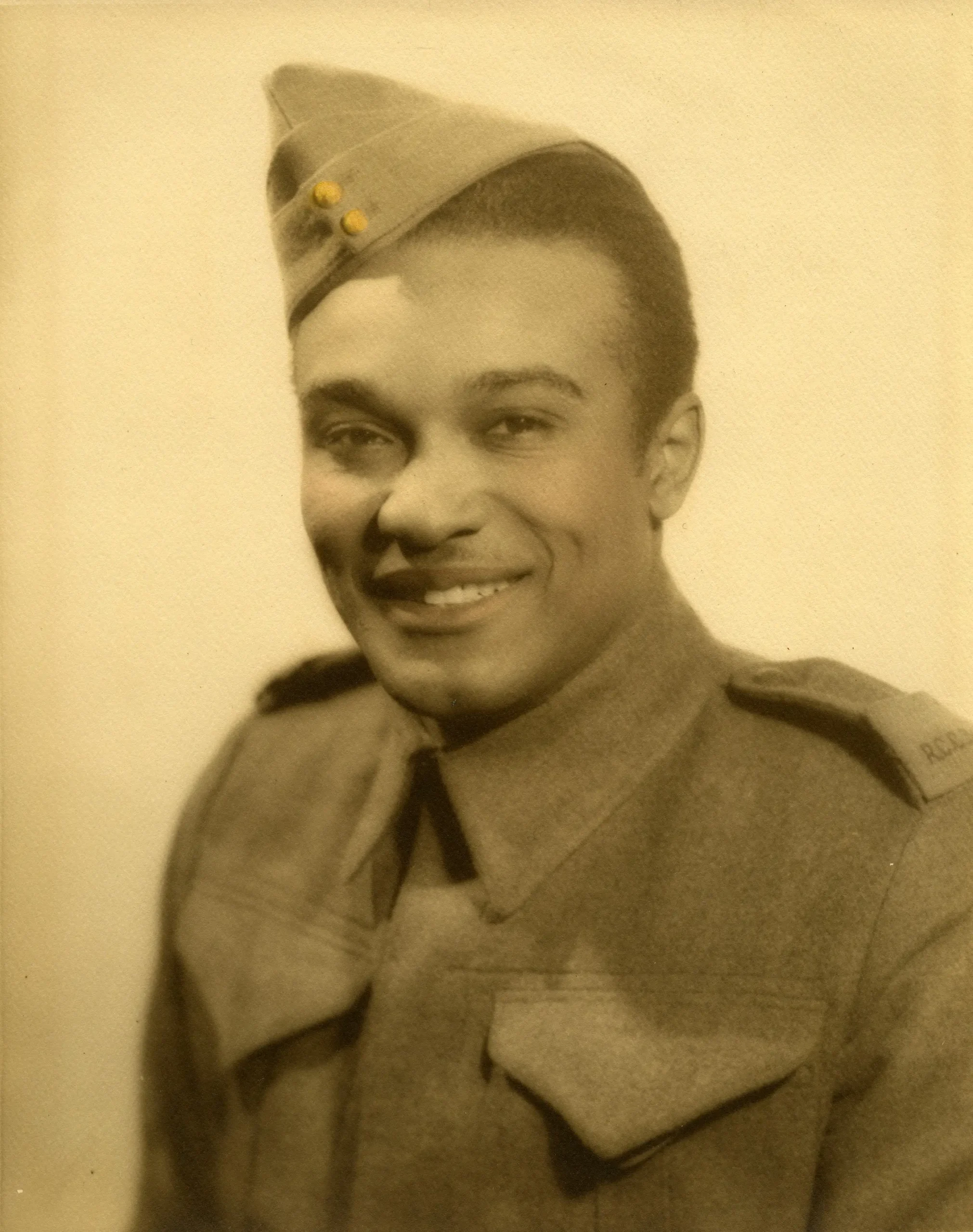
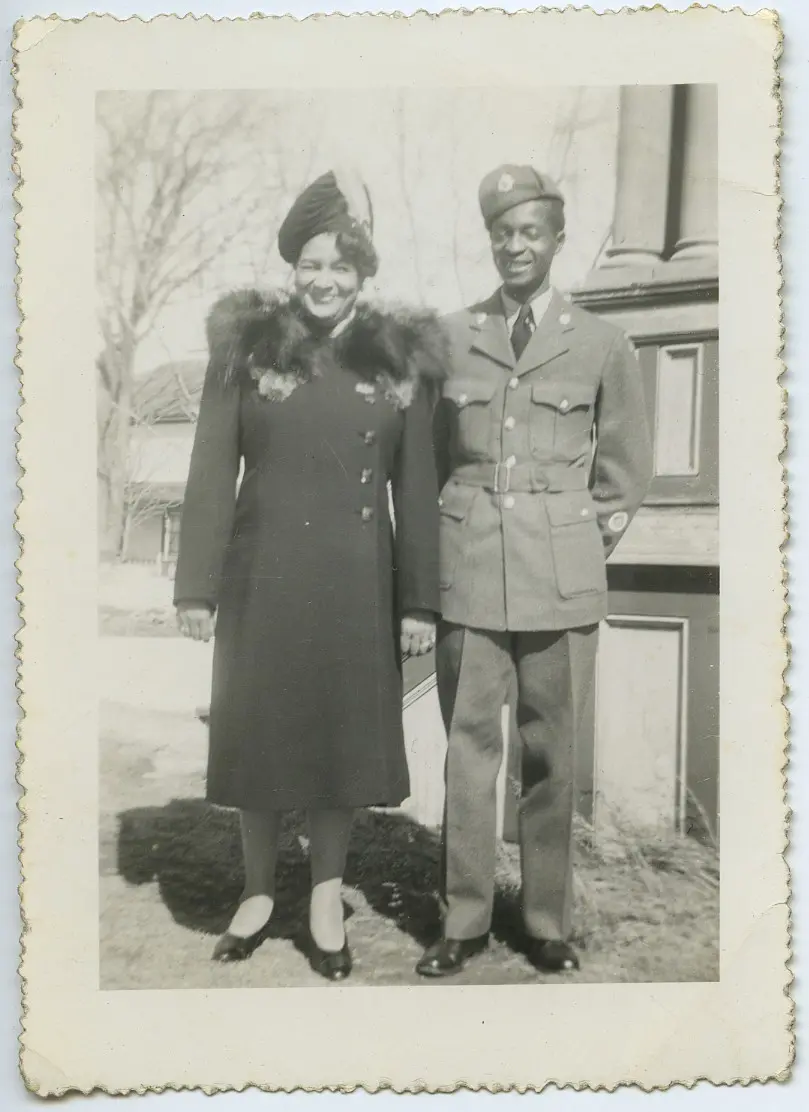
Private Lorne Morrison served in the Royal Canadian Army Service Corps until January 21, 1946. His brother Aubrey Morrison served in the Royal Canadian Corps of Signals. The Morrison family has a history in Ontario dating back to the 1880s. Lorne’s and Aubrey’s stories are documented in the Wilma Morrison fonds (F 4721). Without Wilma’s archival work, Lorne’s and Aubrey’s contributions would have been forgotten.
Interested to learn about other people like the Morrison brothers? Black Canadian Veterans Stories (an online resource maintained by historian Kathy Grant and Scott Moody) highlights the experiences of Black Canadians in the military.
Back to: Chapter 01
Japanese Canadians
Next up: Chapter 03
Canadian Women
Looking for more records?
Search our collection