
The world comes to play
Ontario became a hub for the global game as international teams visited the province. Famous international clubs and players travelled to Ontario to play exhibition games, attracting large audiences. It was exciting for soccer fans, who could see their favourite players and teams at home.
In the twentieth century, Ontario hosted many clubs from all over the world, especially South America and Europe. Visiting teams would play exhibition games against local clubs or against other international teams. These matches gave local fans incredible opportunities to witness world-class, international talent.
Postwar football arrives
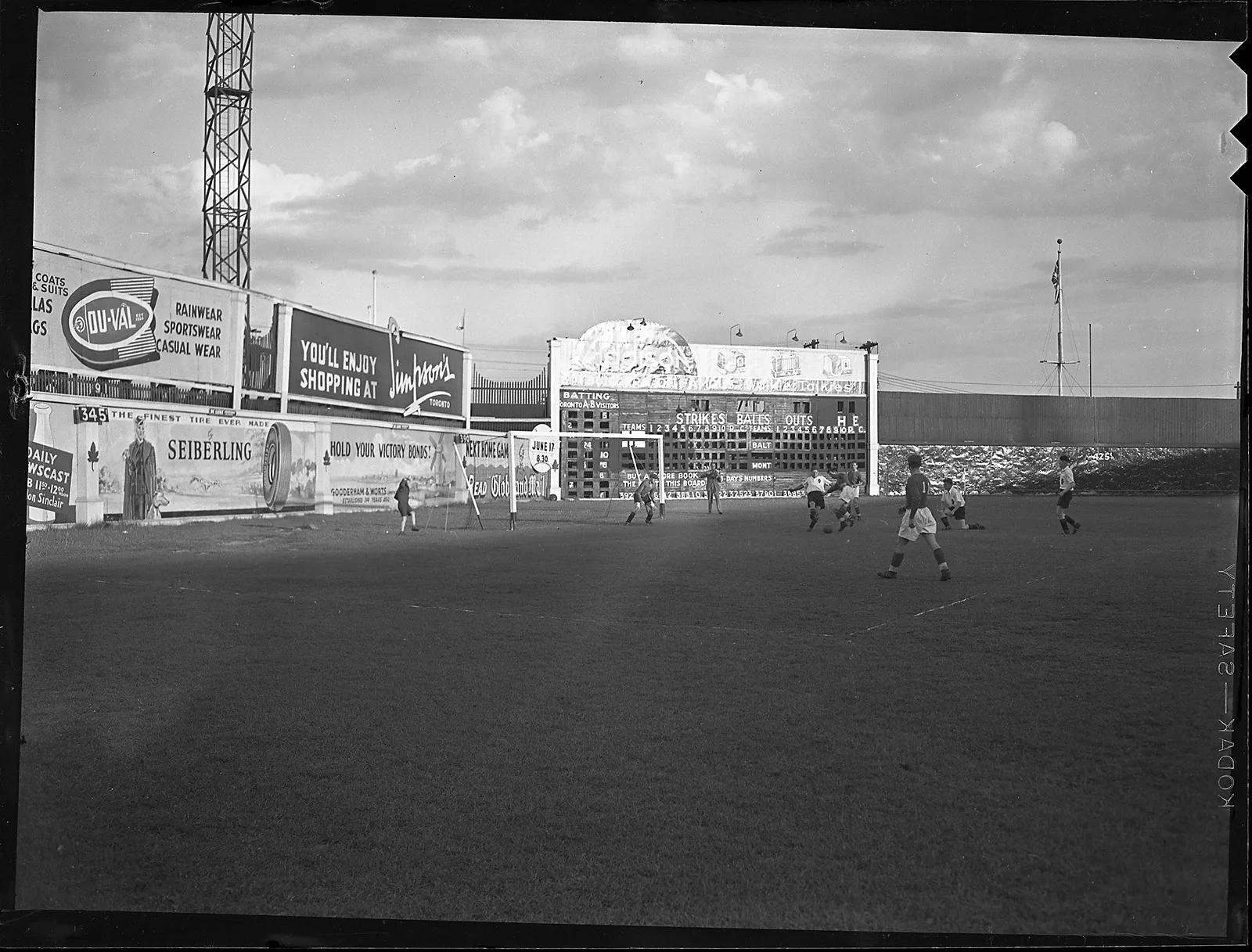
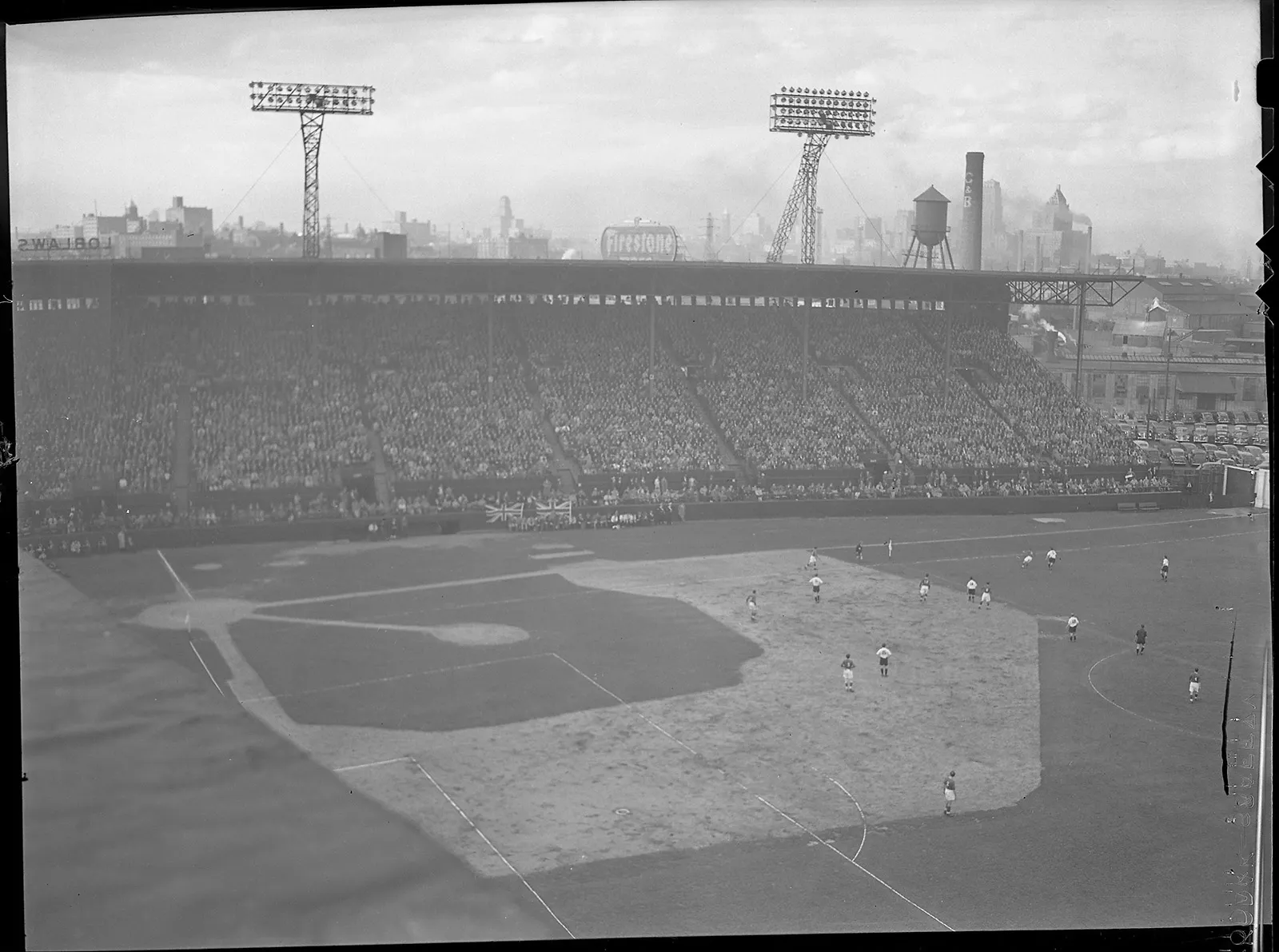
Following the Second World War, a talented Liverpool team came to Toronto to face off against Ulster United, a Toronto club founded by Irish Protestants. Approximately 14,000 spectators attended the match at Maple Leaf Stadium. At the time, most immigrants in Ontario were from the United Kingdom, and soccer was a cultural bridge connecting the Old World and the New. The game ended 11-1 in Liverpool’s favour. Ulster United’s goalie, Bill Breadon, was recognized as the man of the match for having faced so many shots.
European giants meet in Toronto
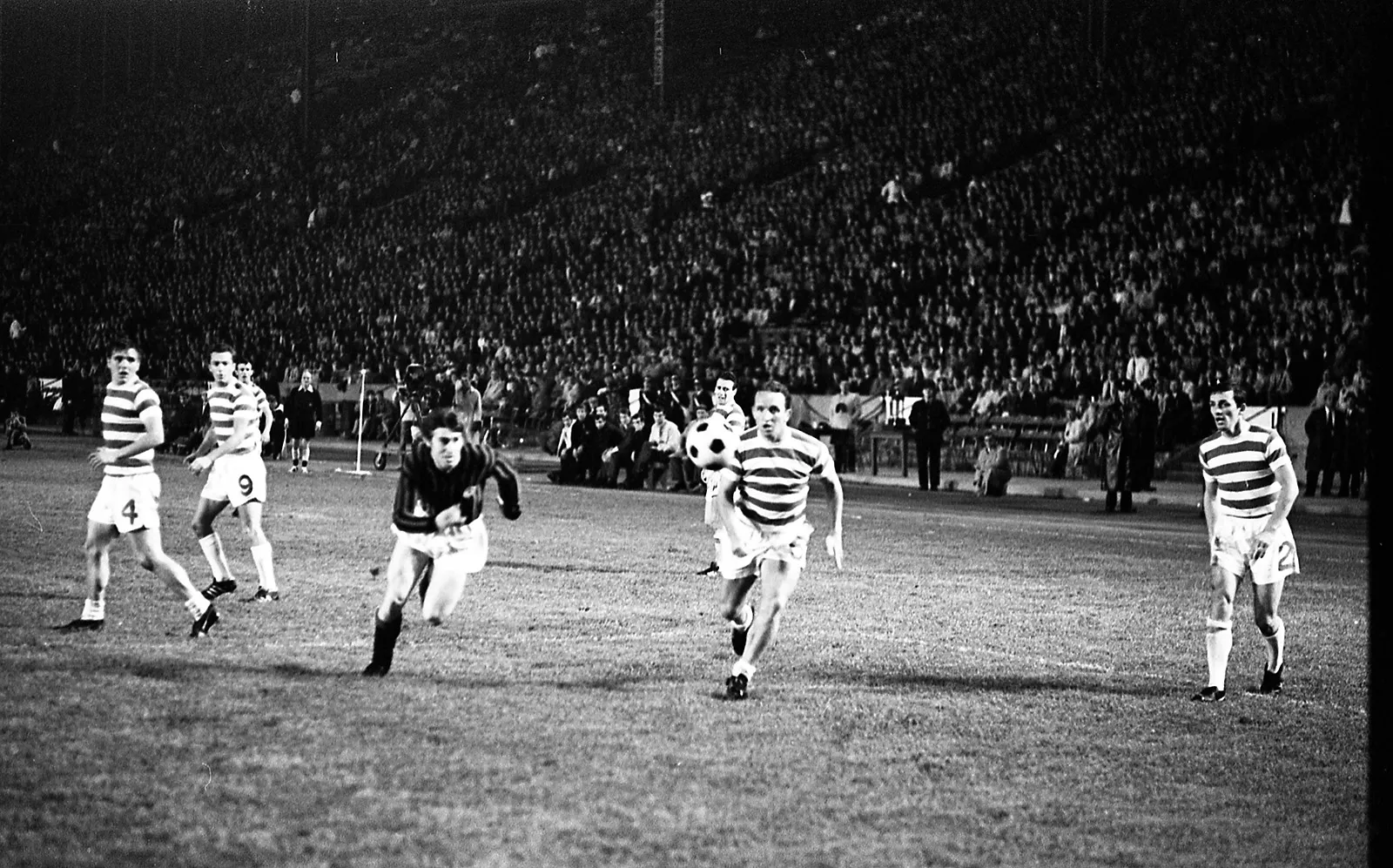
In June 1968, a massive European clash took place on Ontario soil. Celtic of Scotland and A.C. Milan of Italy came to Toronto for a game on neutral ground before their regular season. They played in the first and only Canadian National Exhibition Cup. Celtic won the match 3-0.
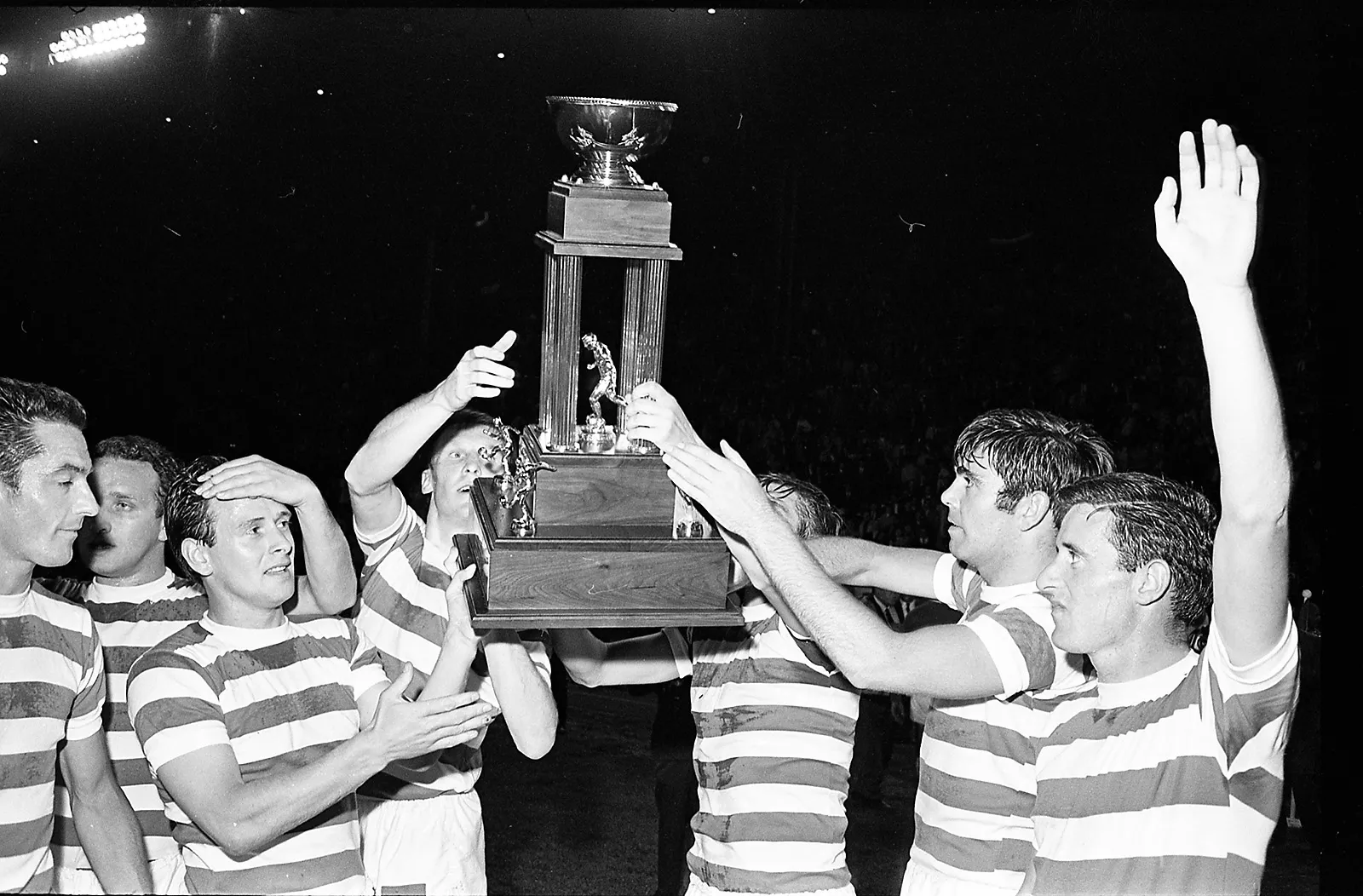
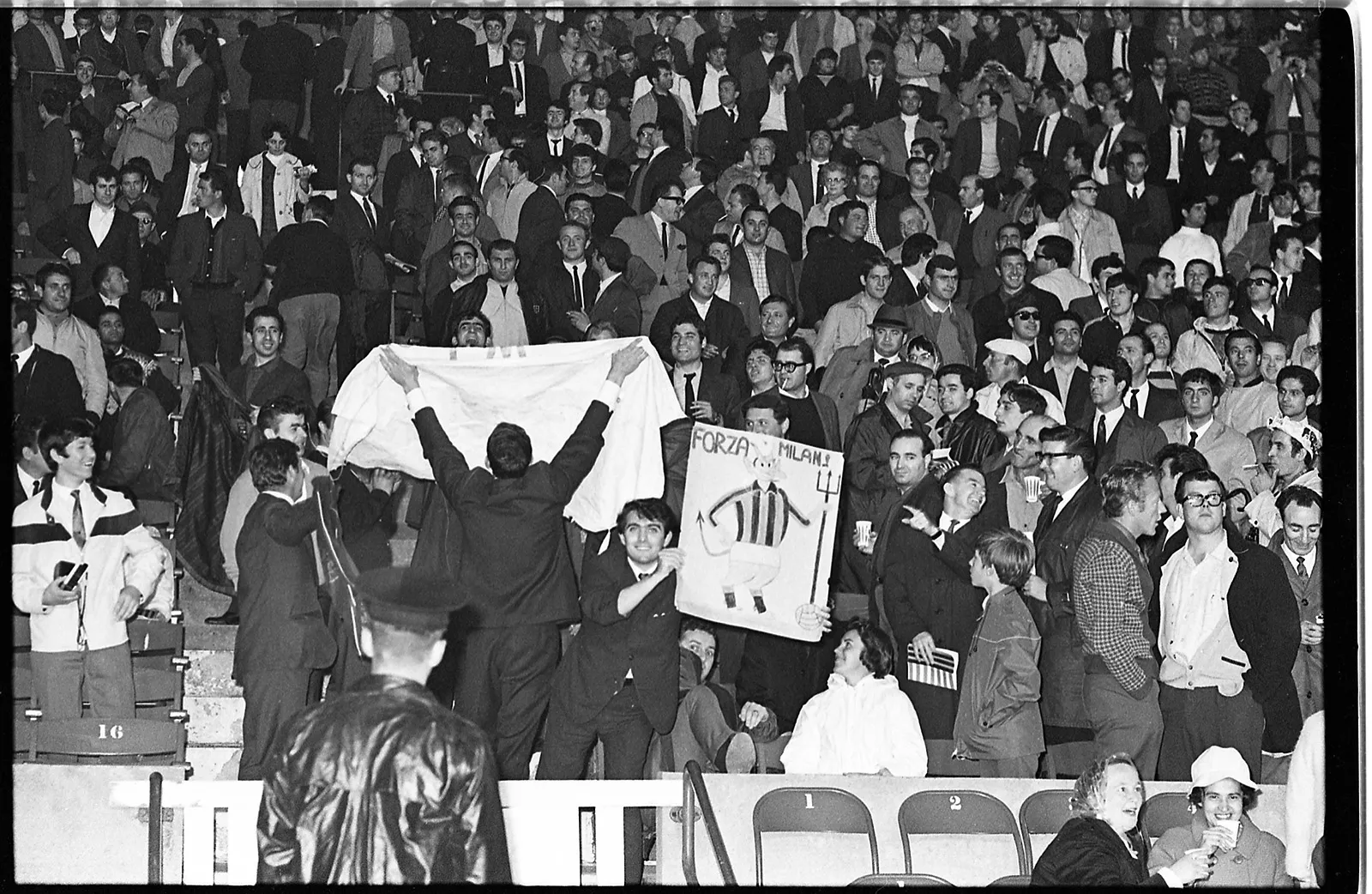
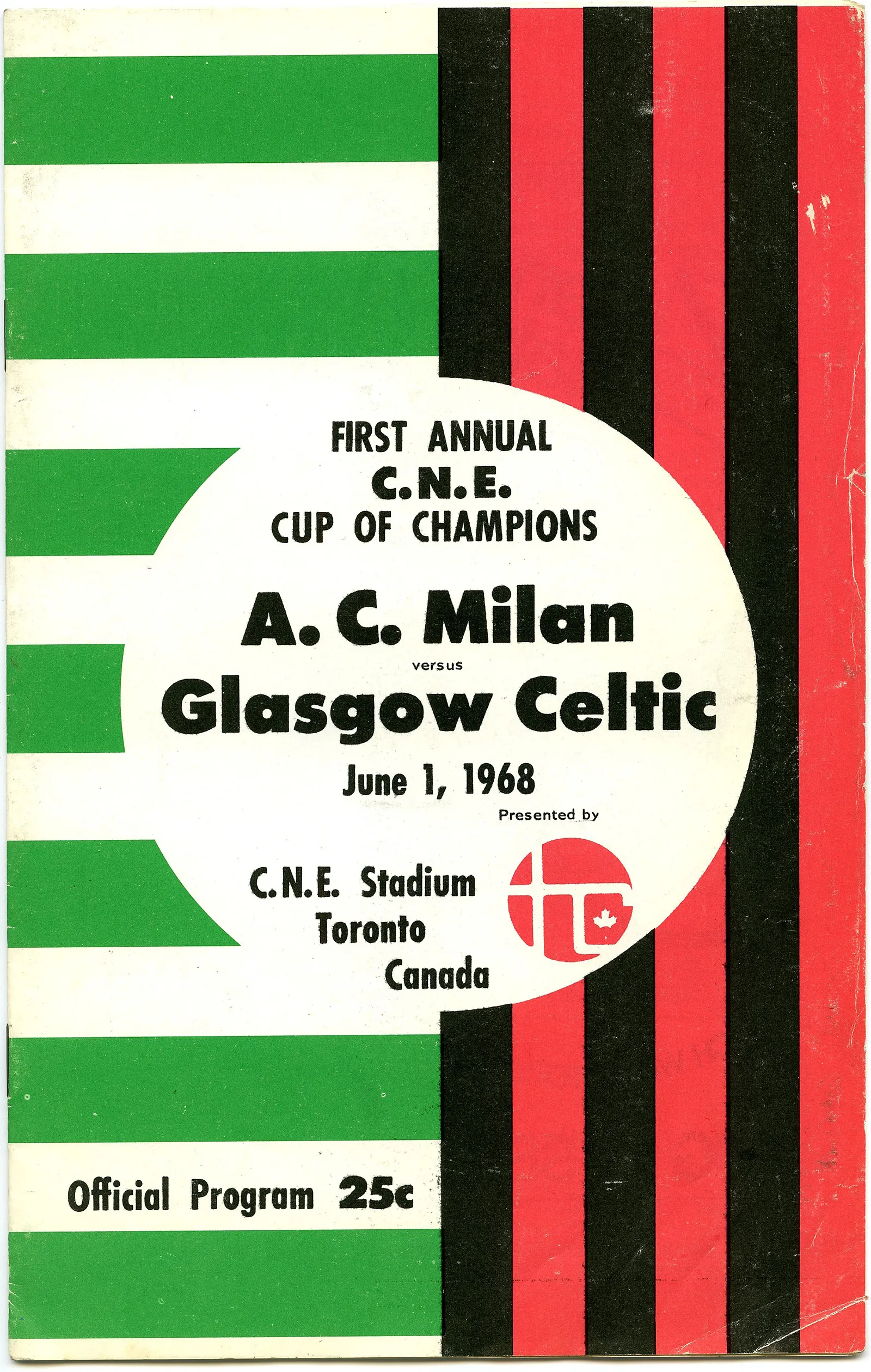
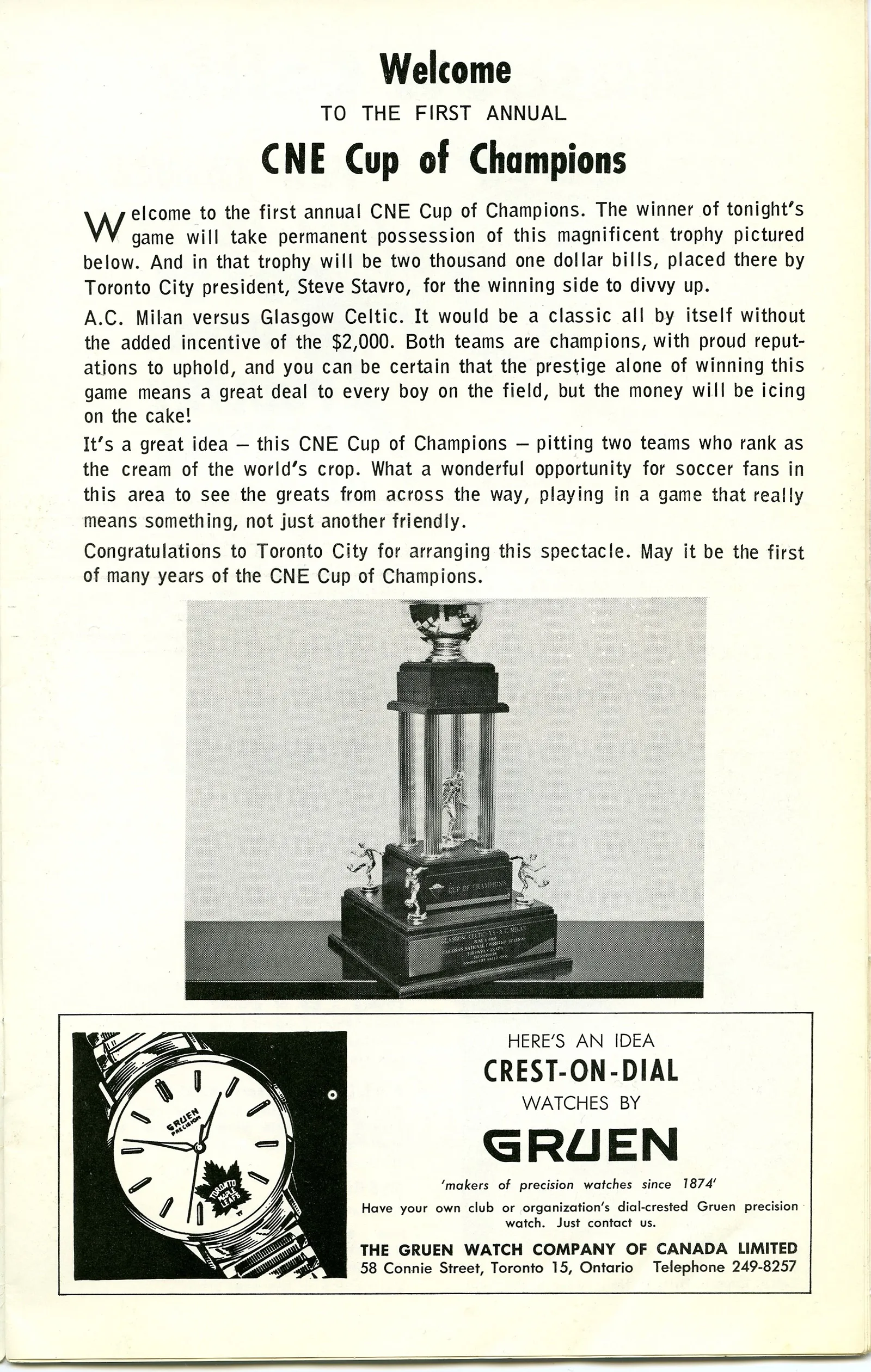
First annual C.N.E Cup of Champions program
In 1968, Toronto’s C.N.E Stadium was packed with 31,000 fans. This is a photo of the game’s program. The teams’ records reflect their world-class skills. Just a year prior, Celtic won the European Cup, now known as the Champions League. In 1968, A.C. Milan won the Series A championship and, in 1969, the Champions League.
The Santos tour
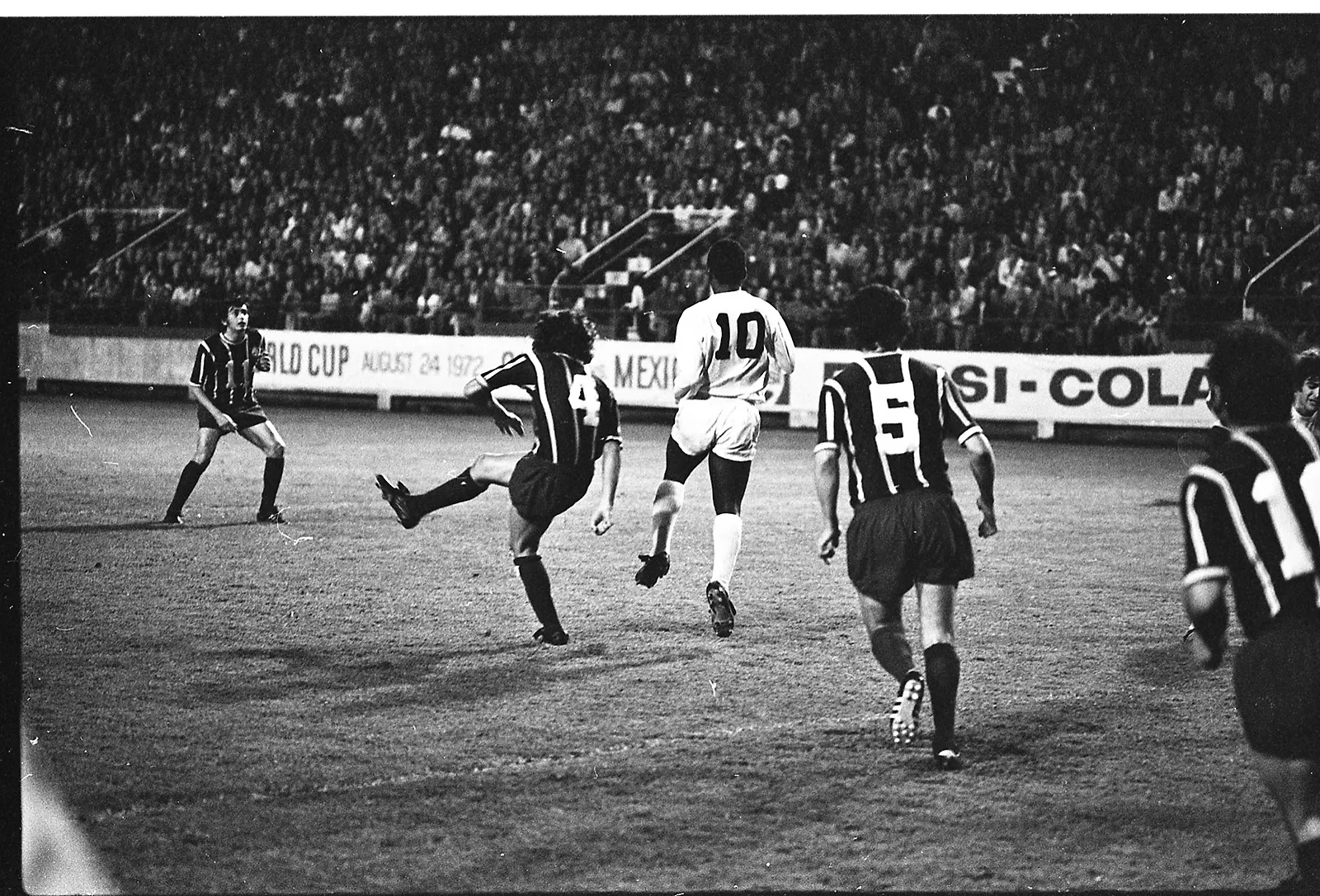
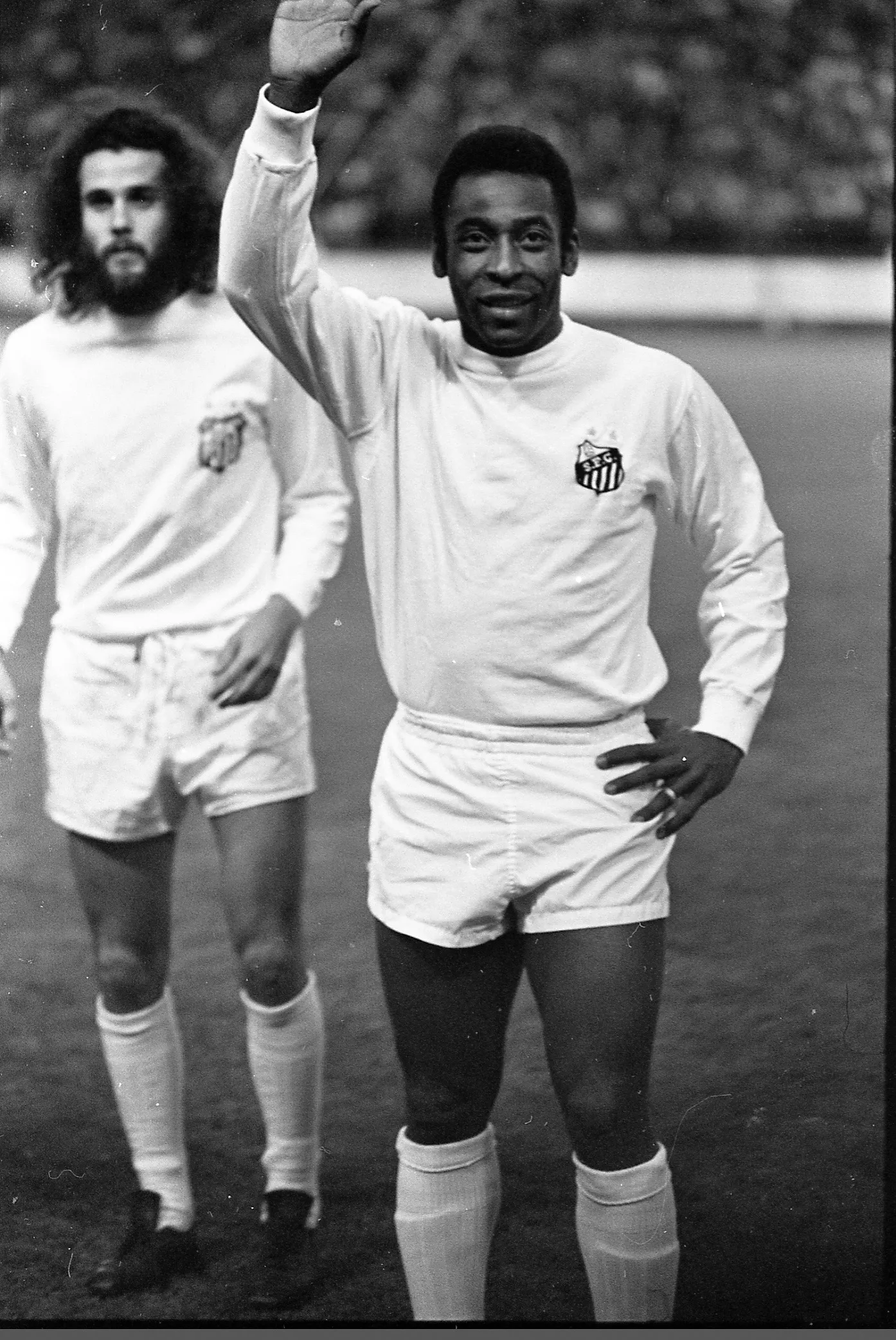
Santos of Brazil came to Toronto in July 1972 to face off against the Toronto Metros. The Brazilian team at the time was one of the most famous clubs in the world. Santos was known for its “jogo bonito,” which translates to “the beautiful game.” They played a creative, quick, and aggressive style of soccer, with lots of dribbling and impressive skill. At Varsity Stadium, in front of a crowd of 18,500 people, Santos beat the Metros 4-2. Pelé, who played for Santos, famously scored his 1,000th goal during the match.
Olympic soccer in Toronto
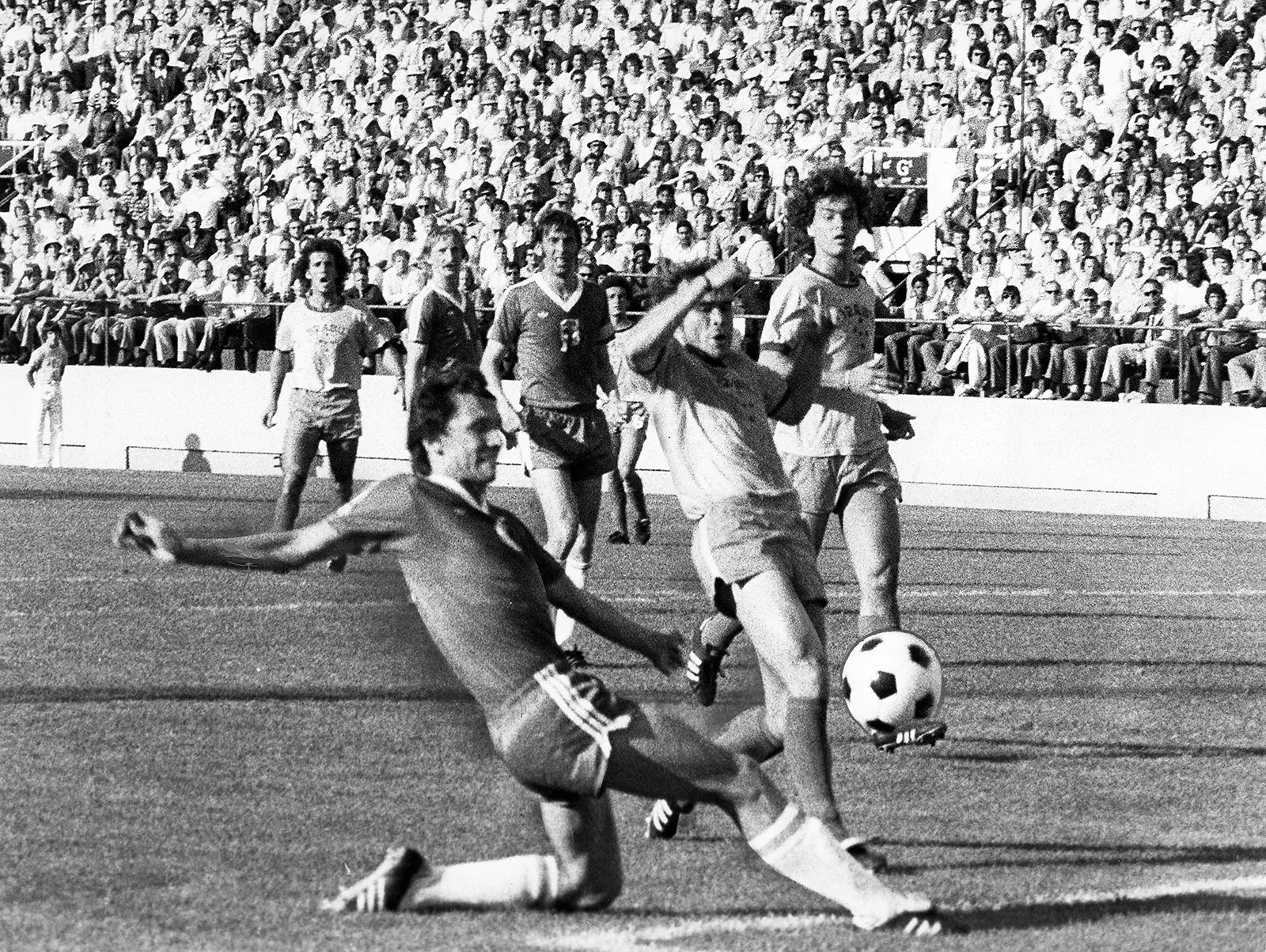
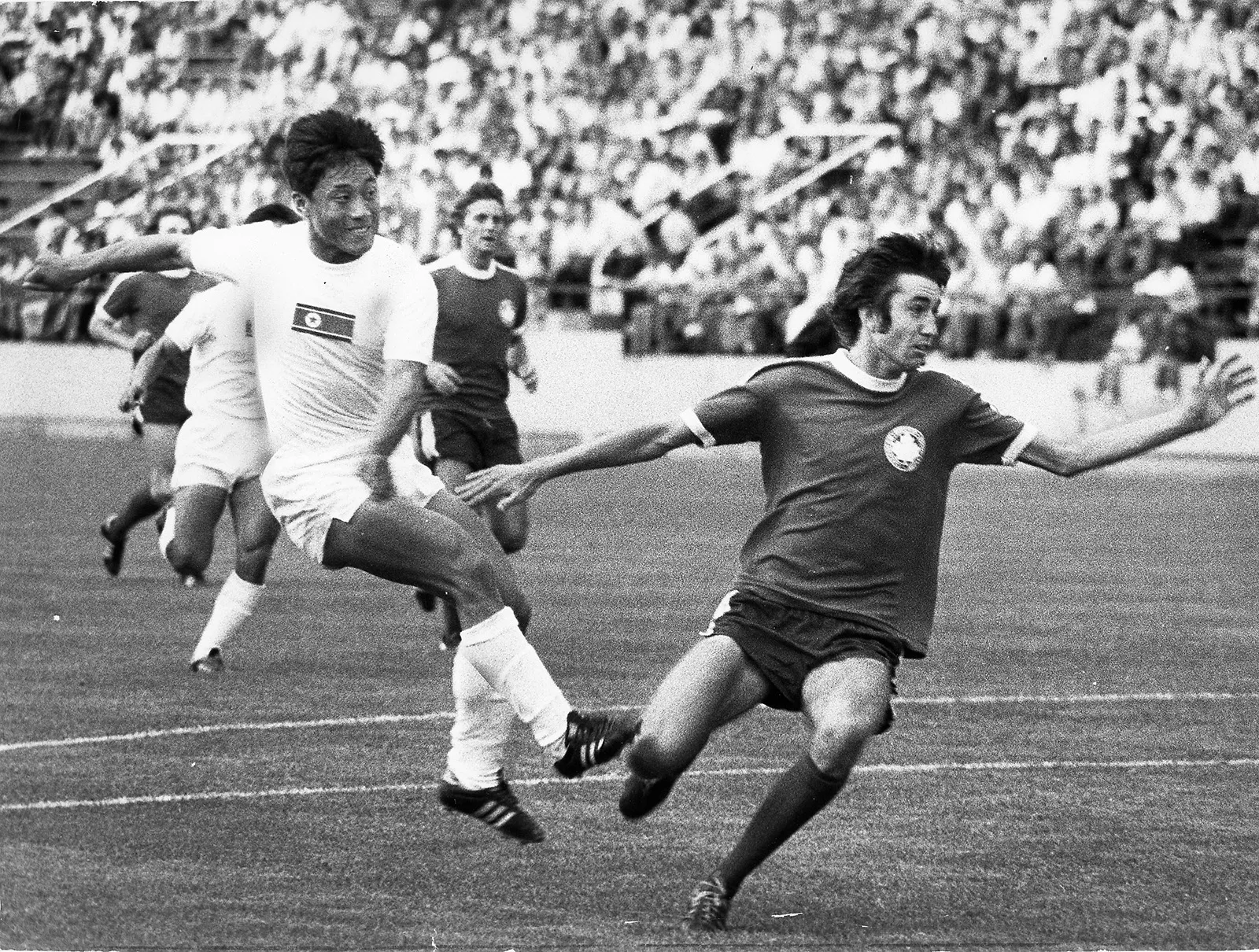
Montreal was not the only host for soccer games during the 1976 Olympics. Several matches were played in Toronto at Varsity Stadium. Teams like Brazil, Israel and East Germany, the eventual winners of the tournament, played there. Team Canada played a home game there, facing off against North Korea and losing 3-1 in front of 12,500 fans. Toronto hosted the semi-finals of the tournament between Poland and Brazil. Although Canada was not successful in the tournament, local fans got the chance to cheer on the world.
Europe’s best in Ontario
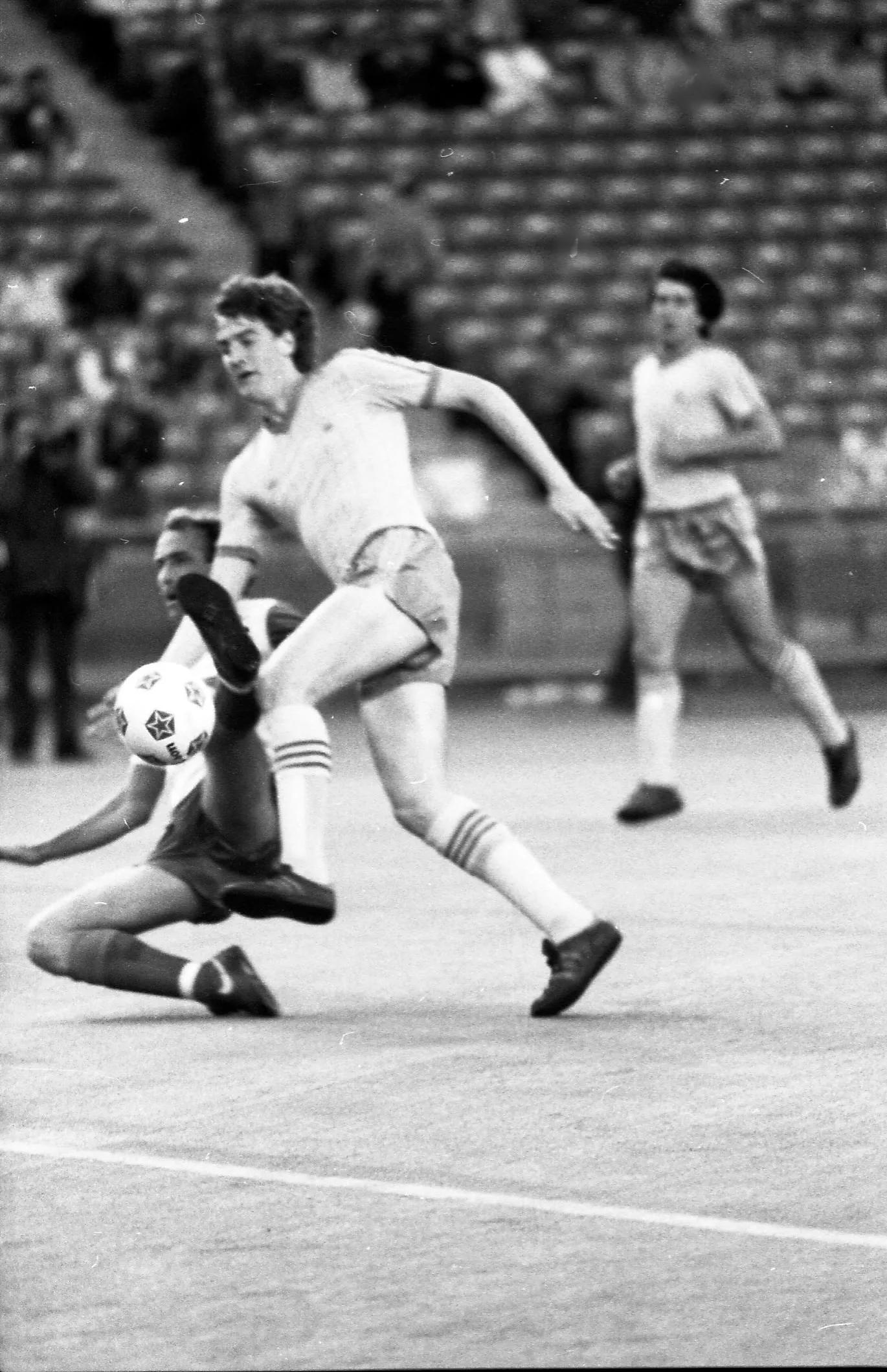
One of the most legendary soccer managers — Brian Clough — came to Toronto with Nottingham Forest FC in the 1980s. Two months before arriving in Toronto, Nottingham Forest won back-to-back European Cups (Champions Leagues). 34,000 fans attended the Toronto match, eager to see the European Champions. The Blizzard lost 3-1. When Nottingham returned three years later the Blizzard won 2-1.
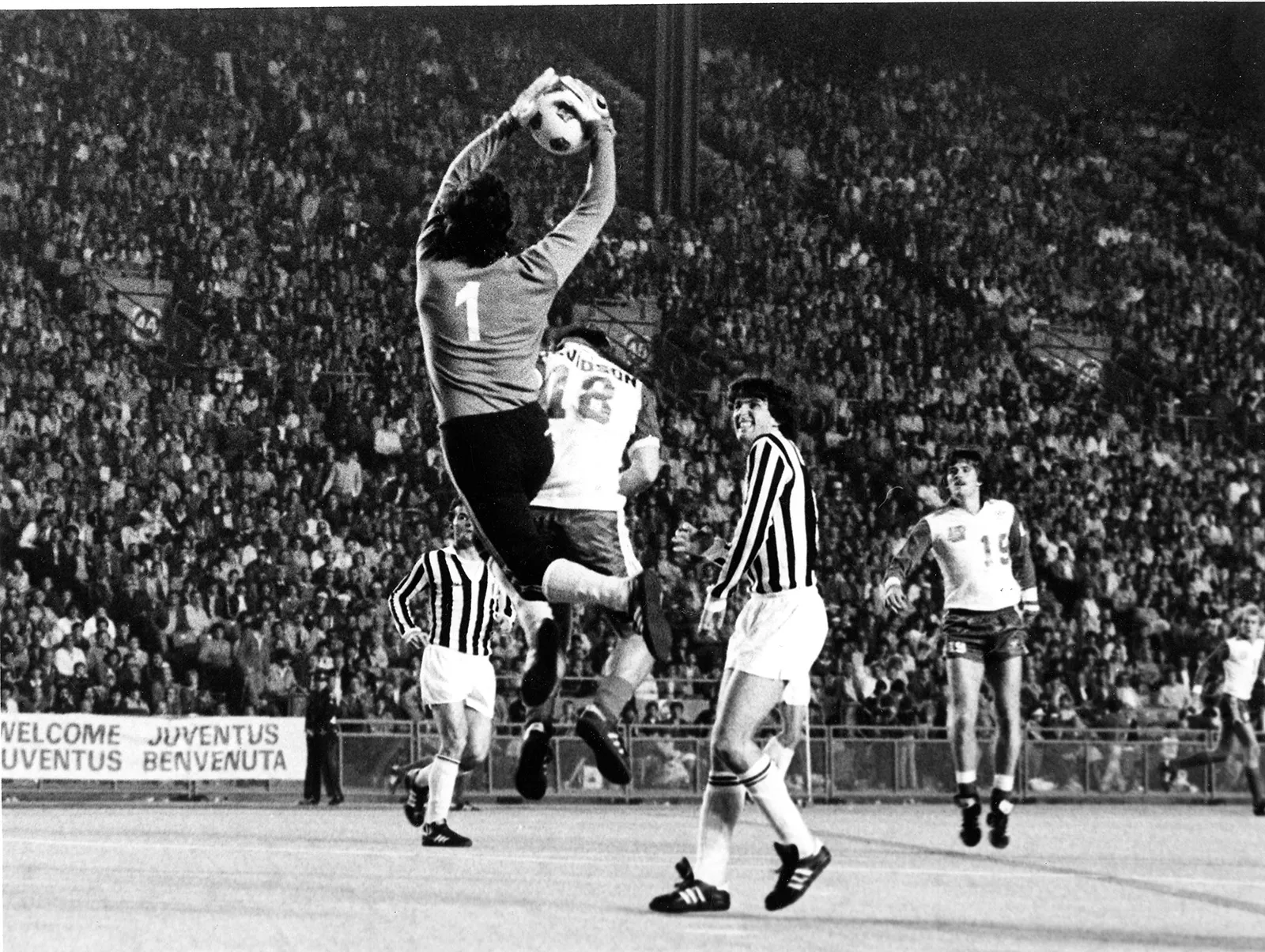
In the early 1980s, other European giants played in Toronto, like SL Benfica of Portugal, Ajax of the Netherlands, and the three-time visiting Italian team Juventus. Juventus played exhibition games in Toronto at Exhibition Stadium that set two consecutive attendance records: 35,000 people in 1982, and 41,000 in 1983. The Toronto Blizzard beat Juventus 1-0 in 1982, and the teams tied 0-0 that same year.
Soccer across continents
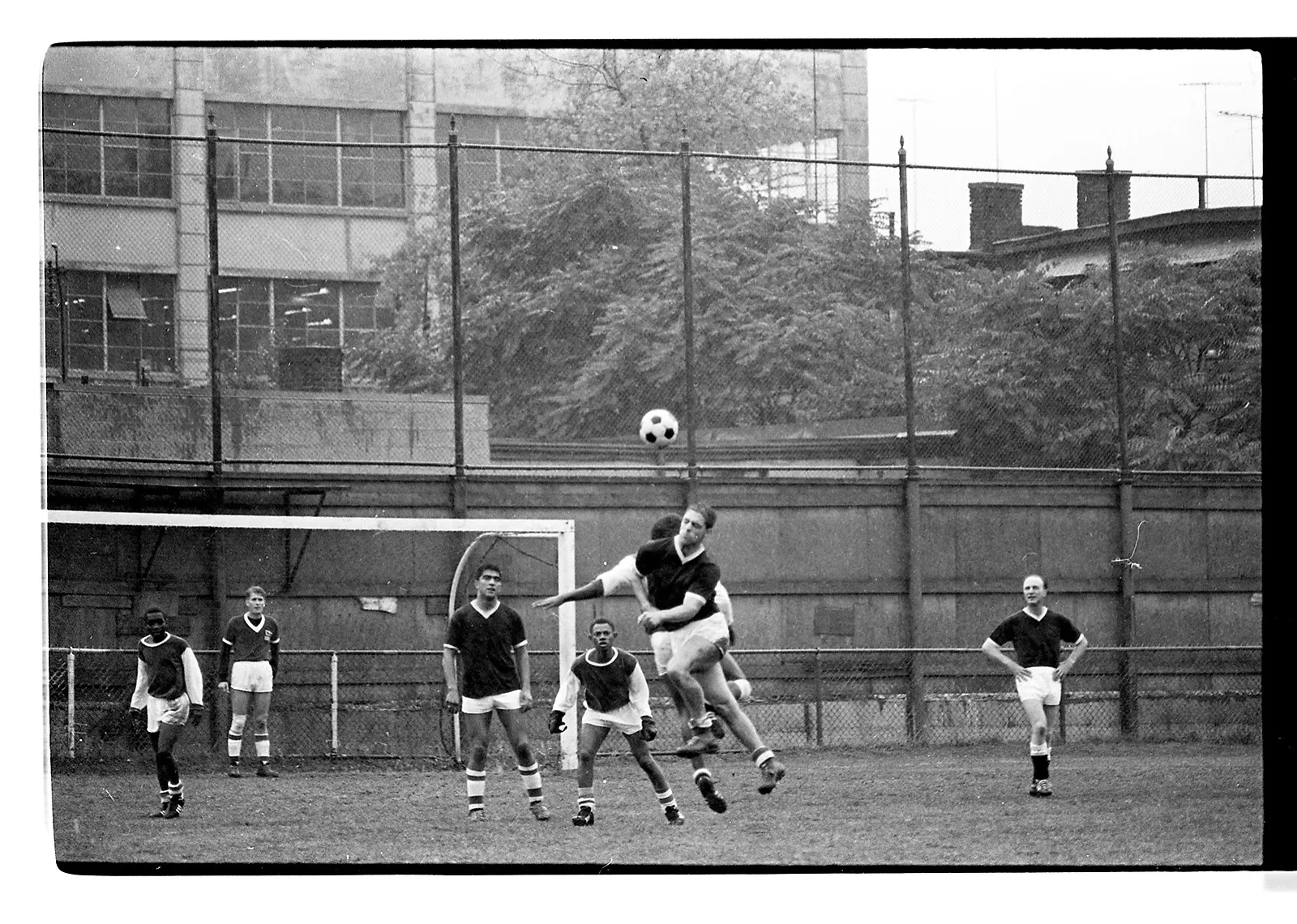
In September 1966, an interesting game took place in Toronto. One of the city’s police teams welcomed a team from Tanzania to compete against them in an exhibition game. The match didn’t draw enormous crowds, but it reflects the global reach that soccer had in Ontario. Local soccer fields welcomed amateur soccer clubs created inside and outside Ontario, with team members from all around the world.
Back to: Chapter 02
The professional game in Ontario
Next up: Chapter 04
Building the game through community
Looking for more records?
Search our collection