
The professional game in Ontario
Soccer in Ontario entered a new stage in the 1960s with the dawn of professional teams. This meant players were now being paid and fans had to pay for tickets. Large crowds came to watch, and interest in soccer was at a new high. Professional soccer saw a rise in competition and the game became increasingly popular.
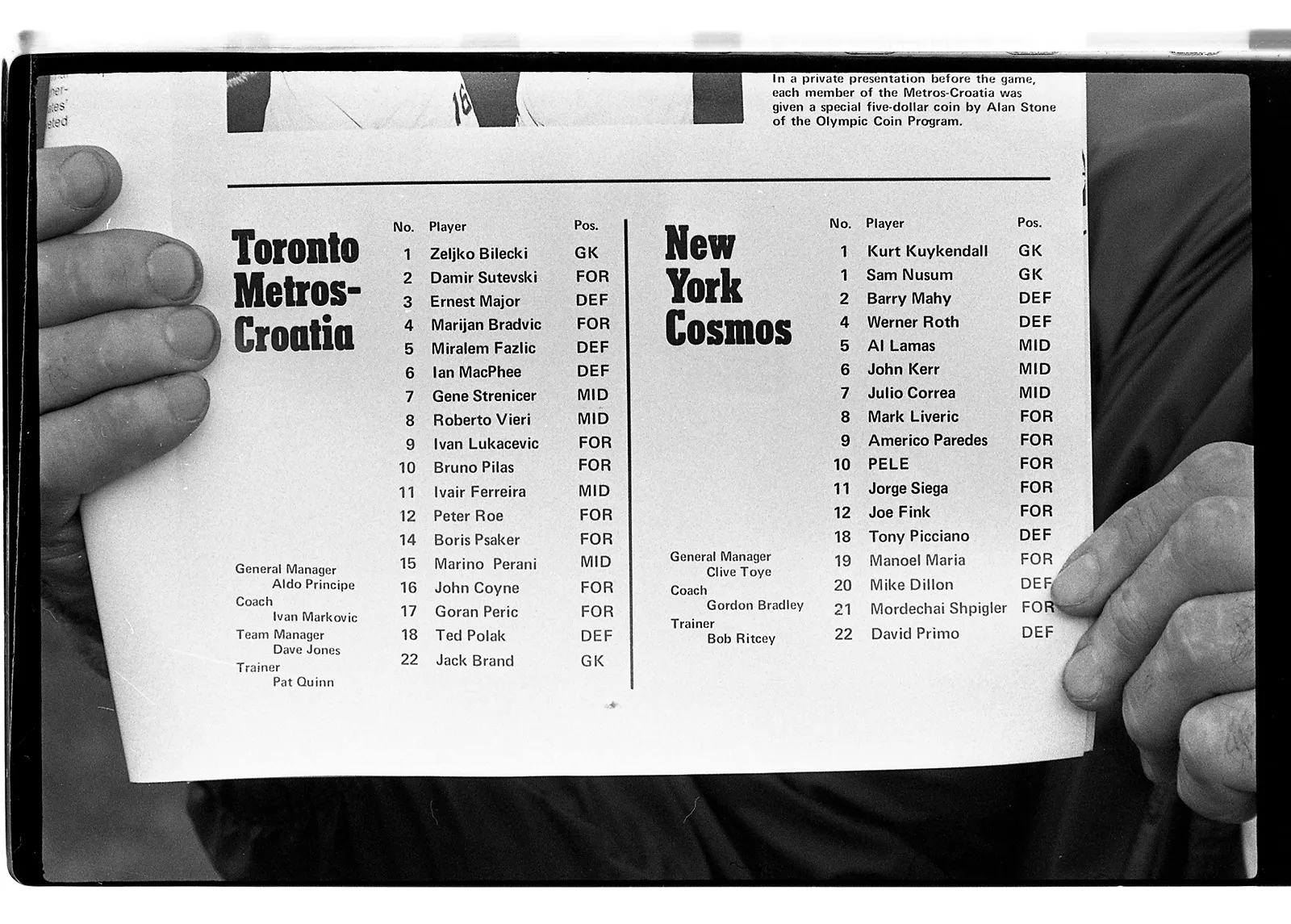
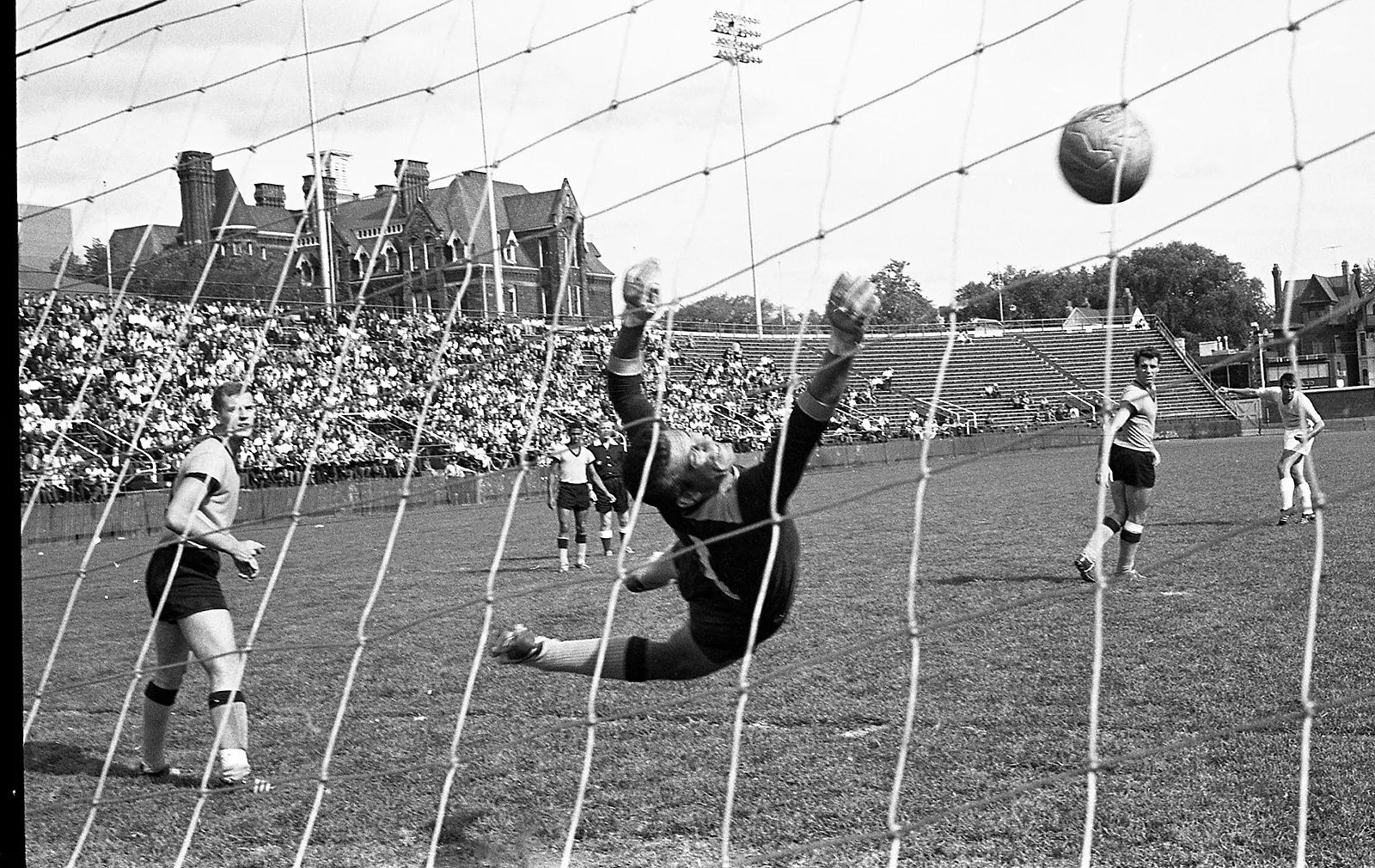
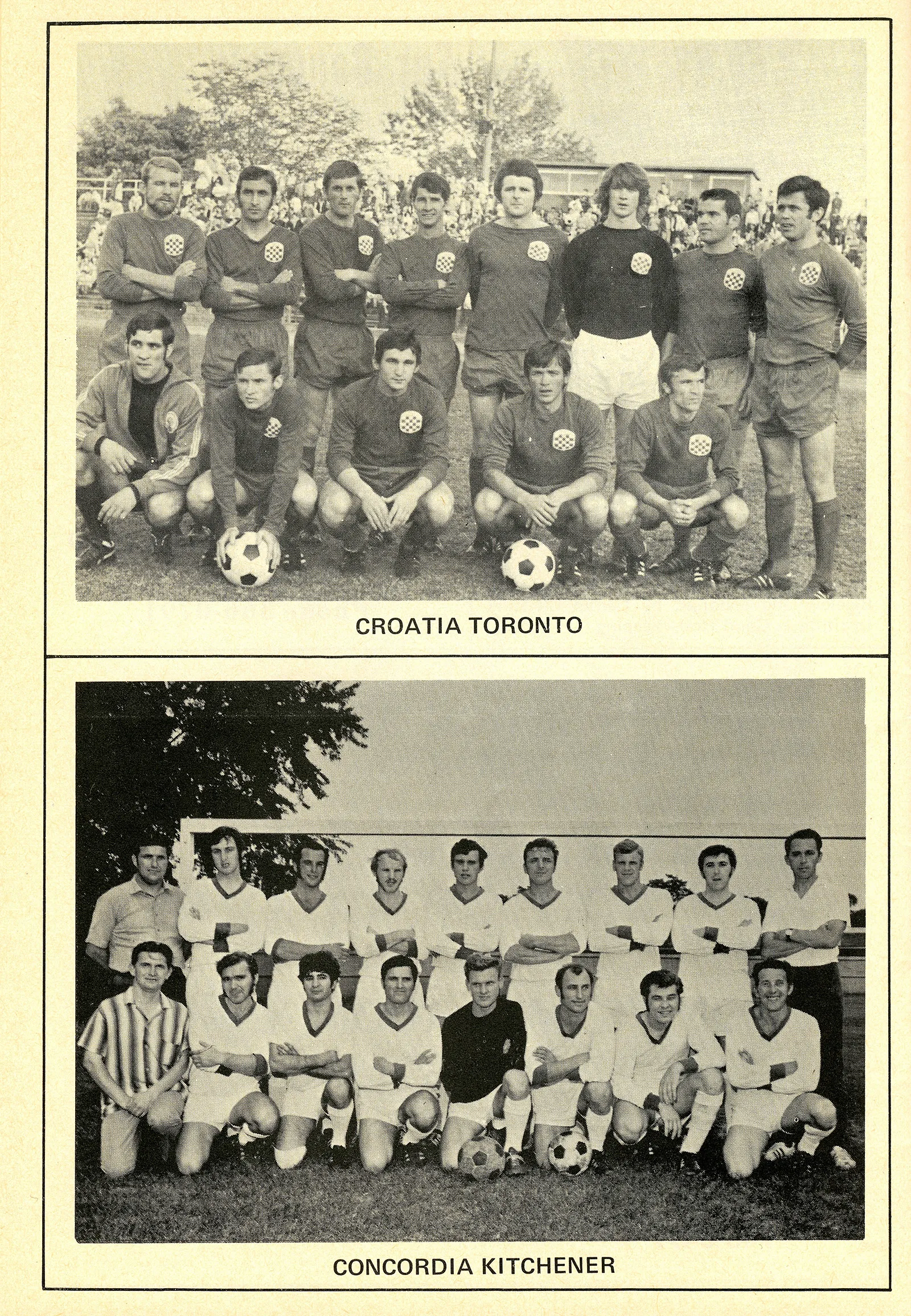
The North American Soccer League (NASL) was founded in 1968, and Toronto joined the league three years later. The NASL hoped to expand the game all over Canada and the United States. The Toronto team had three names over the years — the Metros, Metros-Croatia and then the Blizzard. Metros and Metros-Croatia played at Varsity Stadium, while the Blizzard played at Exhibition Stadium. Toronto was one of the leading clubs in the league, attracting large crowds and bringing in premier talent.
A legend in town
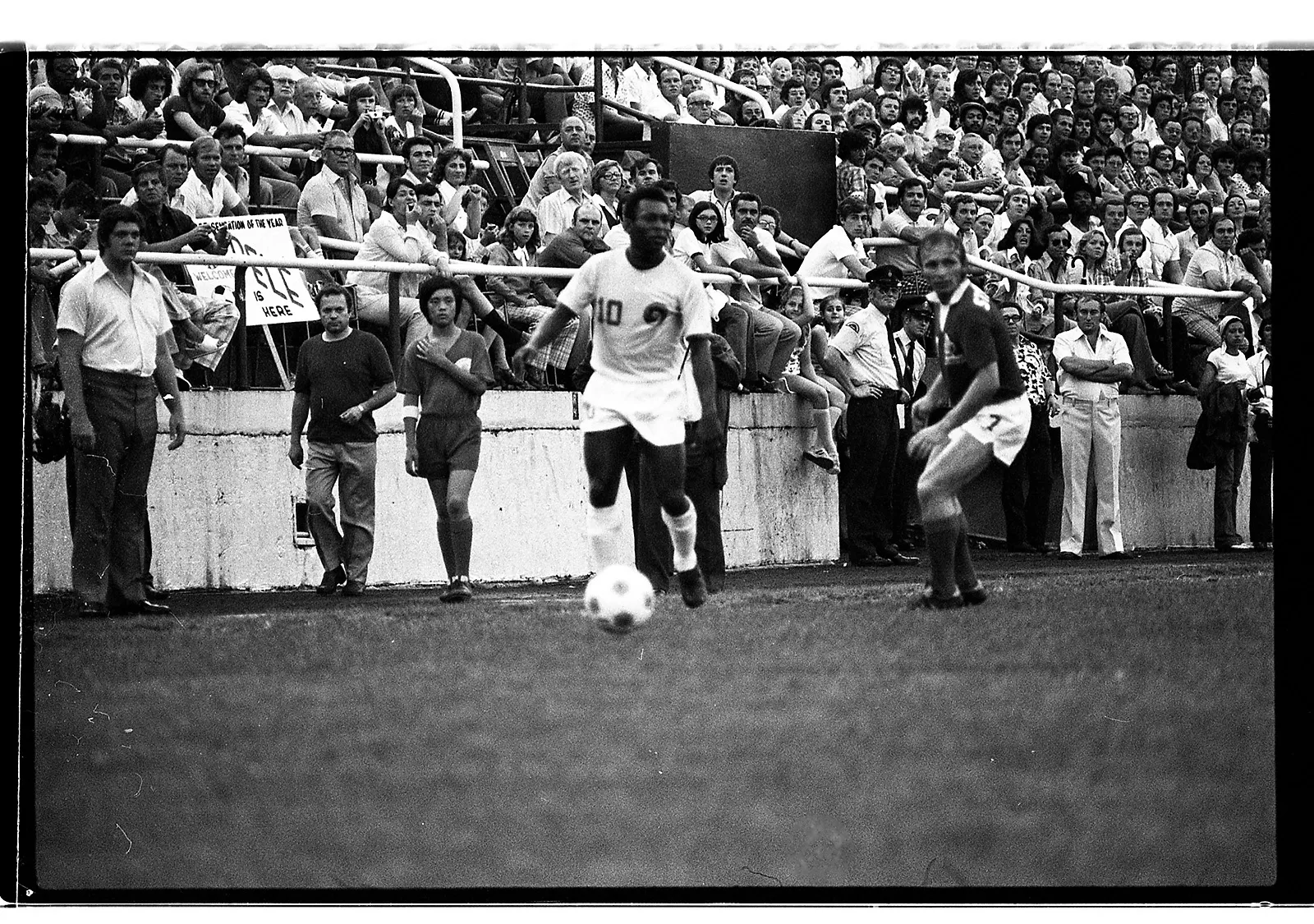
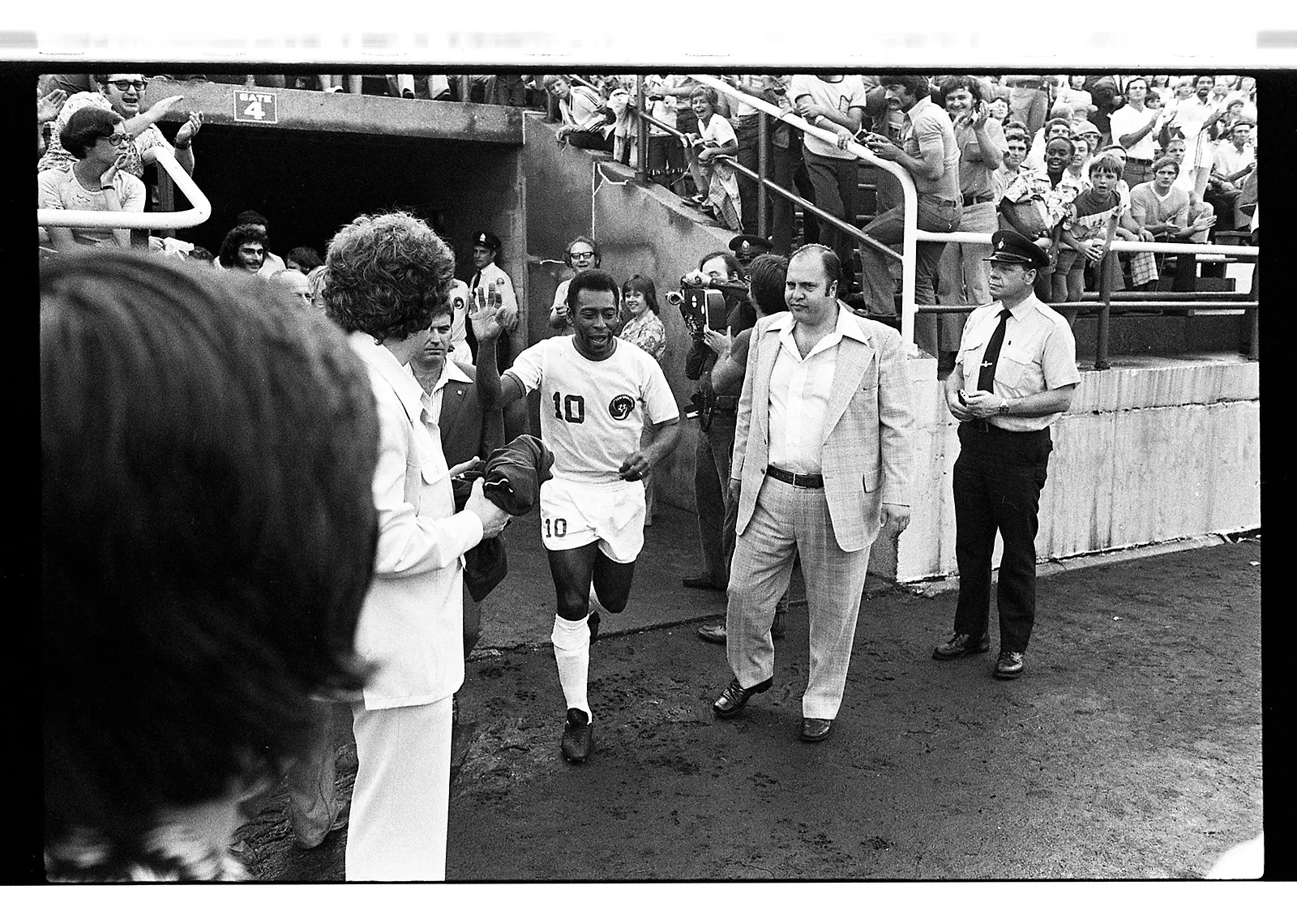
The NASL brought world-class superstars to Ontario. Pelé (Edson Arantes do Nascimento), considered by some to be the best soccer player of all time, played in Toronto on several occasions in the 1970s. People from all over Ontario had come to see him play — as a member of Santos FC and later, the New York Cosmos — long before the days of famous players like Lionel Messi, Luiz Suarez and Thomas Müller.
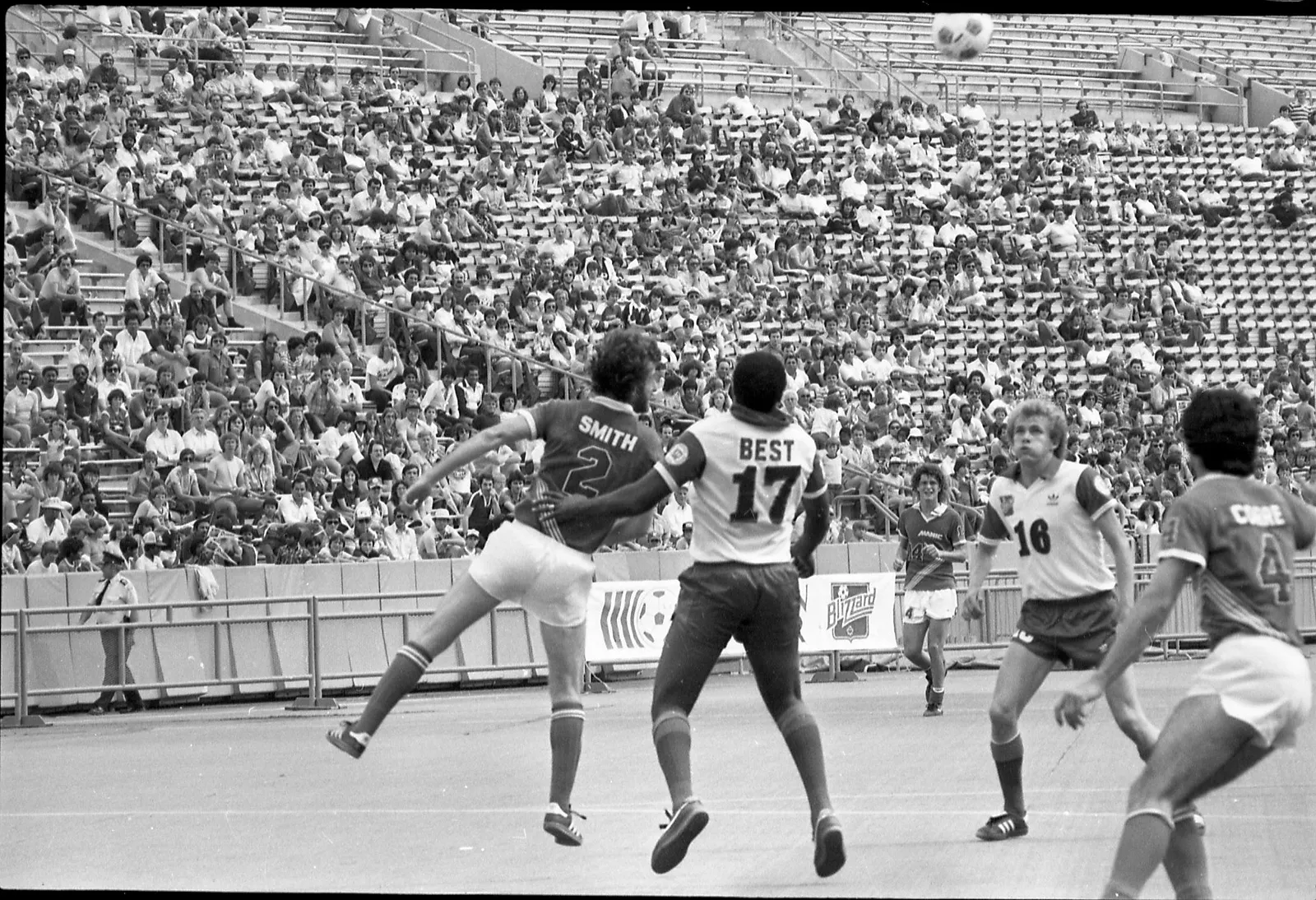
Other stars who once dominated the sport came to play in the NASL. Germany’s Franz Beckenbauer, Italy’s Giorgio Chinaglia, and Northern Ireland’s George Best all played in the NASL and against the Blizzard. The global recognition of names like these gave soccer a heightened status in Ontario. Players like Pelé playing against Toronto elevated the Toronto Blizzard onto the international soccer stage.
Eusébio has arrived
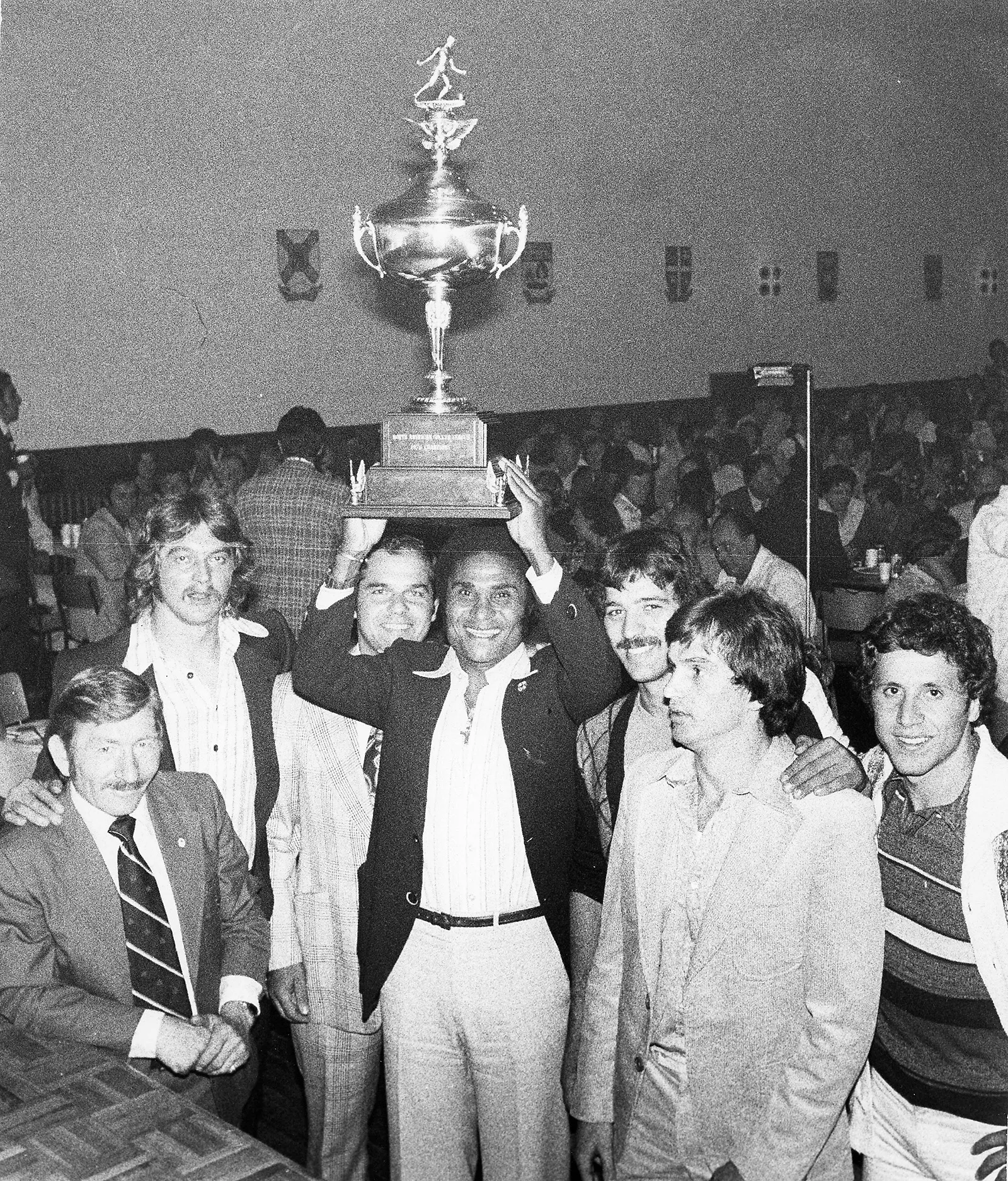
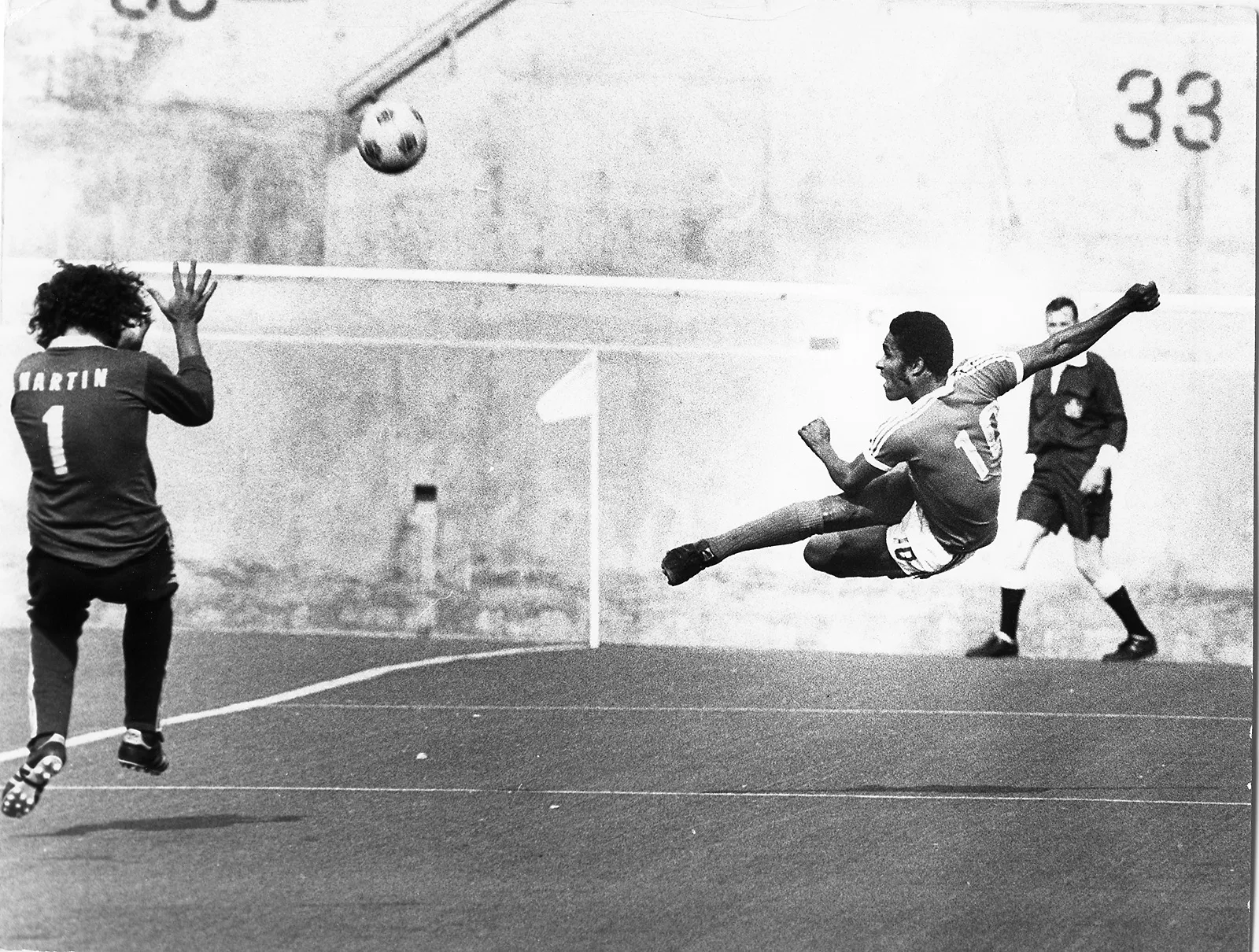
The arrival of Eusébio da Silva Ferreira in Toronto in 1976 was a huge moment for the Toronto soccer community. Eusébio is considered one of the best forwards in the history of the sport; he brought international attention and excitement to Toronto and the NASL. Eusébio helped Toronto Metros-Croatia win their first and only Soccer Bowl, beating the Minnesota Kicks 3-0. He scored the game-winning goal. The city didn’t see another soccer championship until Toronto FC’s victory in 2017. With Eusébio’s arrival, Toronto was no longer just hosting — they were now attracting big-name talent.
The 401 derby begins
The 401 Derby is currently a rivalry between Toronto FC and the Montreal Impact. The reason behind the derby’s name is simple — Highway 401 connects the two cities. There was healthy competition between the two cities, carrying over from other sports like hockey. The early days of professional soccer built the foundation for this rivalry, which continues today.
A controversial final
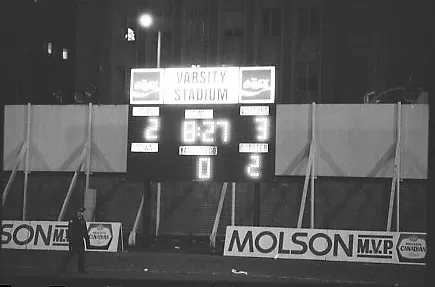
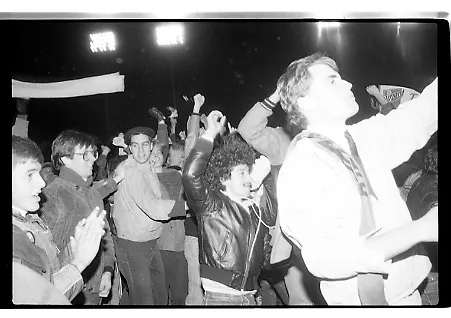
In 1984, the Toronto Blizzard faced the Chicago Sting in its third NASL final. Late in the game, Chicago was awarded a penalty kick from a contested call. Fans erupted in protest. At the end of the game they rushed the field, creating such a chaotic scene that the Sting had to celebrate their win in their dressing room. The match is remembered as a dark day for the sport. For Toronto fans it also marked the end of local professional soccer for years to come.
The end of an era
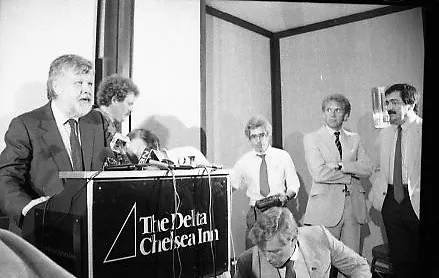
The NASL folded after the 1984 season, with official operations ceasing the following year. The league collapsed from several factors, including unsustainable finances, loss of key media backing, over-expansion and poor management. The Blizzard’s general manager, Clive Toye, announced the team was folding in April 1985, just months after the infamous Soccer Bowl match. The end of the league and its local franchise opened a gap in Ontario’s soccer community that was filled by semi-professional teams.
Soccer survives locally
The National Soccer League (NSL) was a prominent semi-professional soccer league in Canada, dating back to the 1920s. Local clubs included the Hamilton Steelers, London Marconi, St. Catherines Roma, and the Windsor Wheels. The Toronto Blizzard joined the league in the 1986 season, when the professional team’s former owners purchased and rebranded an NSL franchise with the Toronto Blizzard team name. The NSL kept the local game alive for decades until it folded in 1997. The Canadian Professional Soccer League (CPSL) formed in 1998 to replace the NSL.
Back to: Chapter 01
The first kick: Soccer’s early days in Ontario
Next up: Chapter 03
The world comes to play
Looking for more records?
Search our collection